
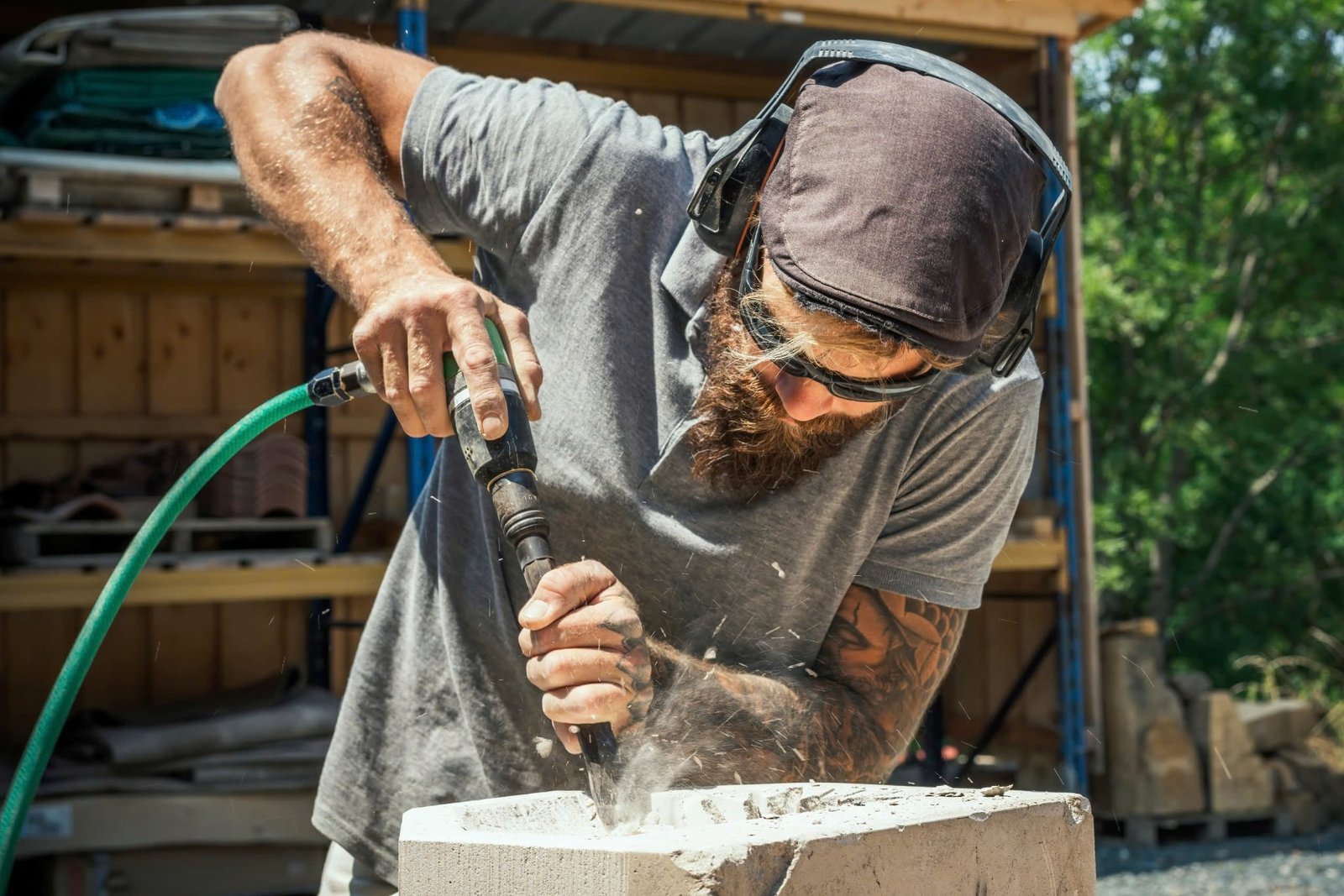
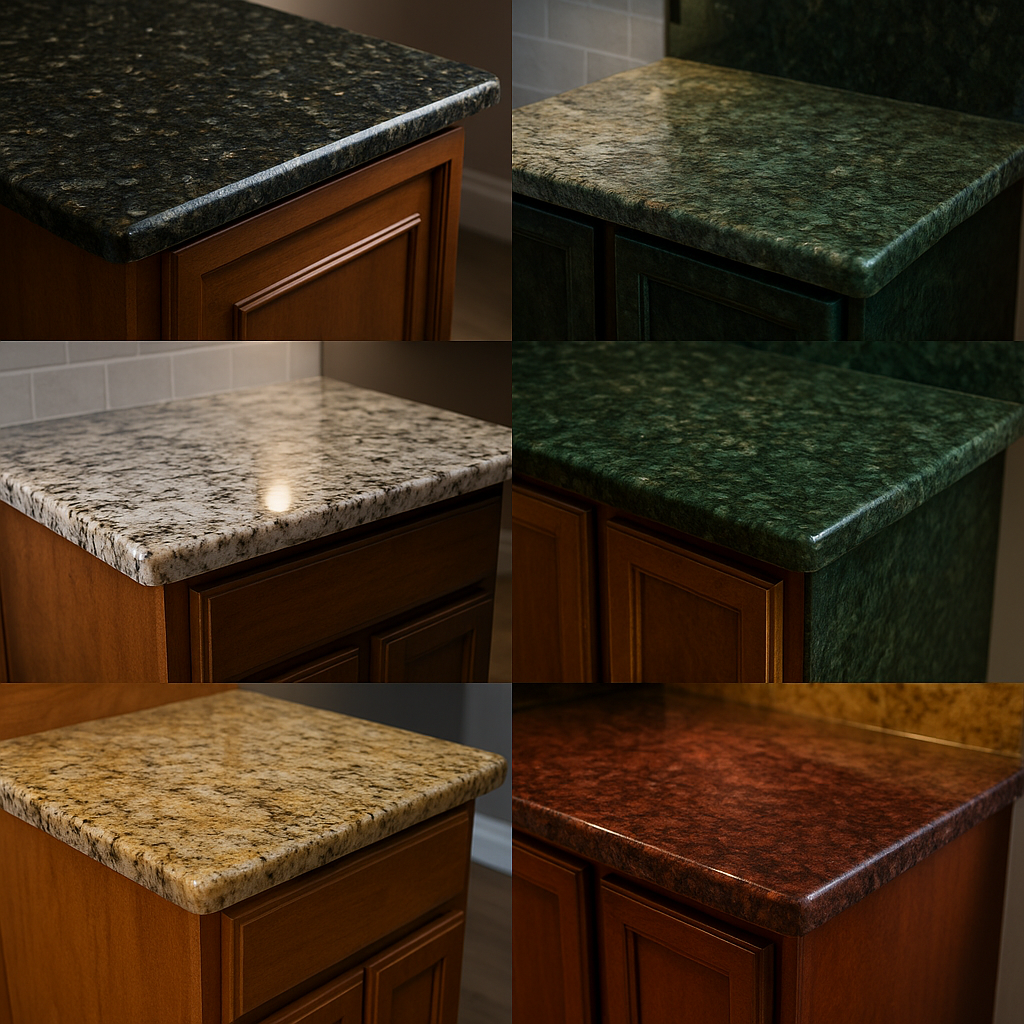
In plain language, that means granite stone is made of visible mineral crystals that fit tightly together like a natural mosaic.
Ask a geologist “what is the texture of granite?” and you’ll usually get a very specific answer:
Granite has a coarse-grained, phaneritic, interlocking (crystalline) texture.
In plain language, that means granite stone is made of visible mineral crystals that fit tightly together like a natural mosaic. You can actually see those grains—quartz, feldspar, mica—without a microscope.
This distinctive texture is one of the key characteristics of granite that makes it so strong in nature and so popular for countertops, flooring, and architectural stone.
In this guide, we’ll break down:
- What “texture” means in geology vs how granite feels to the touch
- The true geological texture of granite (phaneritic & holocrystalline)
- How minerals and cooling history shape that texture
- How granite’s texture compares to basalt and other igneous rocks
- What texture means for clean granite countertops, finishes, cost, and design
- How Aardwolf products fit into the picture
What Does “Texture” Mean for Granite?
Before we talk about granite specifically, it helps to clarify what “texture” means to a geologist.
In geology, rock texture refers to:
- Size of the crystals or grains
- Shape of the grains
- How those grains are arranged and interlock
It’s not just about “smooth vs rough.” Texture answers questions like:
- Are the crystals big or tiny?
- Can you see them with the naked eye?
- Are they interlocking, glassy, bubbly, or layered?
For granite, the geological texture is coarse-grained (phaneritic) and crystalline. For homeowners, we often talk about surface finish (polished, honed, leathered), which is how the granite feels to the touch. We’ll cover both.
Granite Geology and Texture: Coarse-Grained & Phaneritic
Phaneritic (coarse-grained) texture
Granite is a plutonic (intrusive) igneous rock—it forms when magma cools slowly underground. That slow cooling gives minerals time to grow into large, visible crystals.
This creates a phaneritic texture, which means:
- Individual crystals are large enough to see with the naked eye
- Grains are typically medium to coarse in size
- You can distinguish quartz, feldspar, and mica as separate specks
Most geology references describe granite’s texture exactly this way:
Granite – intrusive, felsic igneous rock with a coarse-grained, phaneritic texture.
Holocrystalline, interlocking crystals
Granite is also holocrystalline, meaning:
- The entire rock is made of crystals (no glassy matrix)
- Crystals interlock tightly, giving granite high strength and durability
This interlocking crystalline texture:
- Resists cracking and abrasion
- Helps granite stand up to heavy use on floors and granite countertops
- Gives that speckled, natural “mosaic” you see on polished slabs
To dive deeper into the science side, including formation and structure, see:
👉 https://stonefabber.com/what-is-granite-made-of/
and
What Minerals Are in Granite?
How Mineral Composition Shapes Granite’s Texture
The granite geology and composition are key to its texture and look. Granite is typically made of:
- Quartz – clear to gray, very hard
- Feldspar – white, cream, pink, or gray
- Mica & dark minerals – black or dark brown specks (biotite, hornblende, etc.)
Because the crystals are large and visible, the mineral mix directly shapes:
- The stone’s color (e.g., pale in quartz- & feldspar-rich granites)
- The grain pattern (dense speckling vs broader patches of color)
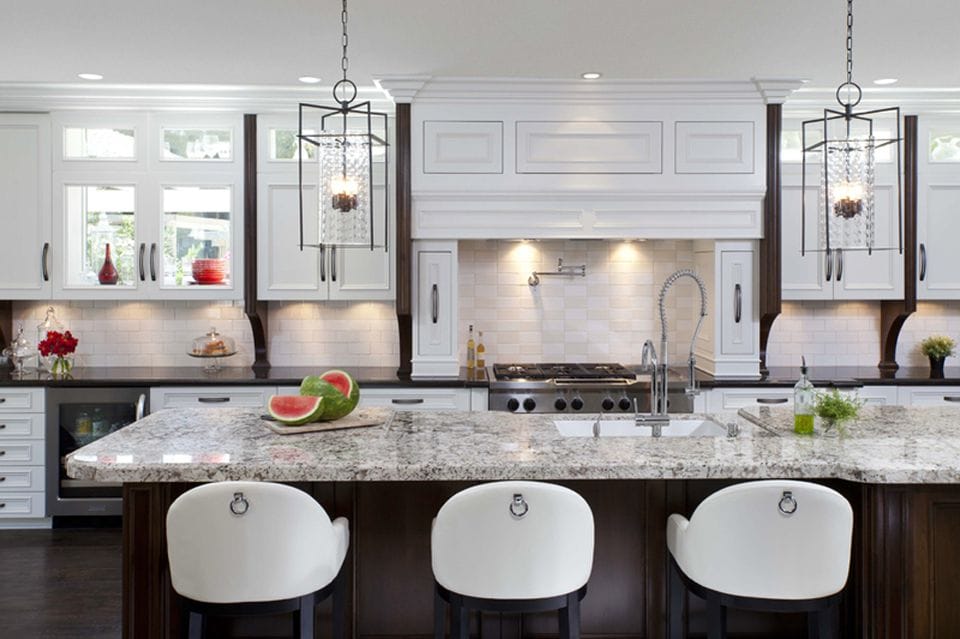
- The level of contrast in white granite countertop vs black granite countertops
Want to explore how granite’s minerals compare with its igneous cousin basalt? Check out:
👉 https://stonefabber.com/what-do-granite-and-basalt-have-in-common-2/
Granite vs Basalt: Textural Twins They Are Not
Both granite and basalt are igneous, but their textures are very different.
- Granite – intrusive, slow cooling, phaneritic (coarse-grained) texture
- Basalt – extrusive, rapid cooling, aphanitic (fine-grained) texture, crystals too small to see
In other words:
- Granite: big, visible crystals → classic speckled appearance
- Basalt: very small crystals → dark, fine, almost uniform look
That’s why granite makes such a striking, patterned surface for counters and floors, while basalt is typically used more in industrial, paving, or structural contexts.
Texture and Water: Granite Layers and Aquifers
Granite’s coarse, interlocking texture also affects how it behaves underground with water:
- Solid granite has very low porosity and permeability
- It doesn’t easily let water flow through its tight crystal framework
- It’s usually not a good aquifer unless cracked or fractured
By contrast, cracked rocks and permeable soils are far better aquifer materials. If you’re curious about how granite compares, see:
👉 https://stonefabber.com/which-material-is-an-aquifer-layer-most-likely-made-of/
This same dense, crystalline texture is what gives granite such impressive durability in your kitchen and bathroom.
Surface Texture in the Home: Polished, Honed, and Leathered Granite
In everyday language, when homeowners ask “what is the texture of granite?” they often mean how it feels and looks as a finished surface. That depends on the finish:
1. Polished granite
- High-gloss, mirror-like shine
- Very smooth to the touch
- Enhances color contrast and mineral sparkle
- Most common for clean granite countertops
Polished surfaces are easier to wipe down, which helps with removing stains from granite (when combined with proper sealing granite).
2. Honed granite
- Satin or matte appearance
- Feels smooth but not glossy
- Softer, more understated look
- Great for more relaxed or contemporary spaces
Honed finishes can show darkened spots from oils or water more readily, so sealing and cleaning routines are important.
3. Leathered (brushed) granite
- Textured, slightly “pebbly” feel
- Often used on darker granites
- Hides fingerprints and smudges well
- Adds a tactile, rustic or upscale vibe to islands and bars
No matter the finish, regular sealing, gentle cleaners, and occasional polishing granite surfaces (or professional refinishing) keep texture looking and feeling its best.
Texture, Durability, and Everyday Performance
Granite’s coarse-grained, crystalline texture directly influences its performance compared to other countertop materials.
Granite vs quartz countertops
- Granite (natural)
- Real interlocking crystals, each slab unique
- Excellent heat resistance
- Needs periodic sealing due to natural porosity
- Quartz (engineered)
- Crushed stone + resin with a uniform, factory-made texture
- Very consistent pattern and color
- Non-porous but less tolerant of high heat
Granite vs marble: pros and cons
- Granite
- Harder, more scratch-resistant
- Less prone to etching from mild acids
- Crystalline texture better suited for heavy-use kitchens
- Marble
- Softer, more vulnerable to etching and staining
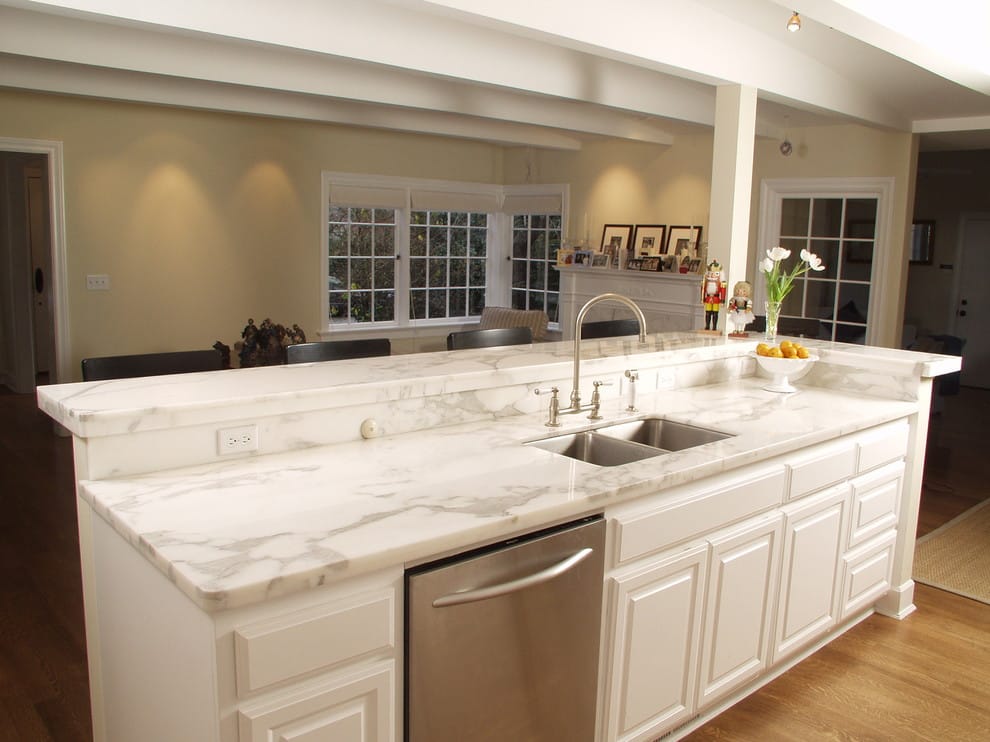
- Veined, elegant texture but higher maintenance
Granite vs soapstone durability
- Granite – coarse-grained, hard, excellent for worktops
- Soapstone – softer, talc-rich, smooth but easier to scratch and dent
Granite better than concrete countertops?
- Granite
- Natural crystalline texture, doesn’t rely on reinforcements the way concrete does
- Less prone to hairline cracks
- Usually simpler long-term maintenance
All of these comparisons fall under a broad natural stone countertop comparison, where granite’s texture and mineral structure give it a strong advantage for busy kitchens and family homes.
Cost, Sourcing & Aardwolf Granite Options
Texture also plays into aesthetics, which in turn affects granite countertop cost and availability.
Granite countertop cost & affordable options
Pricing factors include:
- Stone rarity and origin
- Grain size and uniformity (some textures are more in demand)
- Color and pattern (exotic vs classic)
- Slab thickness and size
- Fabrication details (edges, cutouts, finishes)
For affordable granite countertop options, you can:
- Choose widely available, less exotic textures and colors
- Opt for standard edges and finishes
- Work with trusted wholesale granite suppliers via a local fabricator
Aardwolf granite countertop collection
A curated line like the Aardwolf granite countertop collection helps you:
- Browse a range of textures and colors—from tight, uniform grains to bold, large-crystal patterns
- Use an Aardwolf granite pricing guide to match style and budget
- Select Aardwolf premium granite slabs with the look you want (polished, honed, or leathered)
- Rely on Aardwolf granite installation services for precise, professional results
From there, you can choose the best Aardwolf granite colors to complement:
- Cabinet finishes (light vs dark, warm vs cool)
- Granite backsplash designs
- Flooring and hardware tones
Whether you love the crisp, refined look of a tight-grained white granite countertop or the dramatic presence of a dark, coarse-grained island, texture is at the heart of your design.
Caring for Granite’s Texture: Cleaning, Sealing, and Repairs
To keep granite’s texture beautiful and functional:
- Use pH-neutral cleaners to maintain clean granite countertops
- Seal granite periodically to protect the crystalline structure from staining
- Address chips with professional repairing chips in granite techniques
- Refresh dull areas by polishing granite surfaces or hiring a stone care pro
Good care preserves both the microscopic crystalline texture and the visible surface finish for years.
Final Thoughts: So, What Is the Texture of Granite?
To answer the question clearly:
- Geologically, the texture of granite is coarse-grained, phaneritic, holocrystalline, and interlocking—you can see the individual mineral crystals with the naked eye.
- In the home, granite’s texture is expressed through finishes like polished, honed, and leathered, which determine how smooth or tactile your countertop feels.