
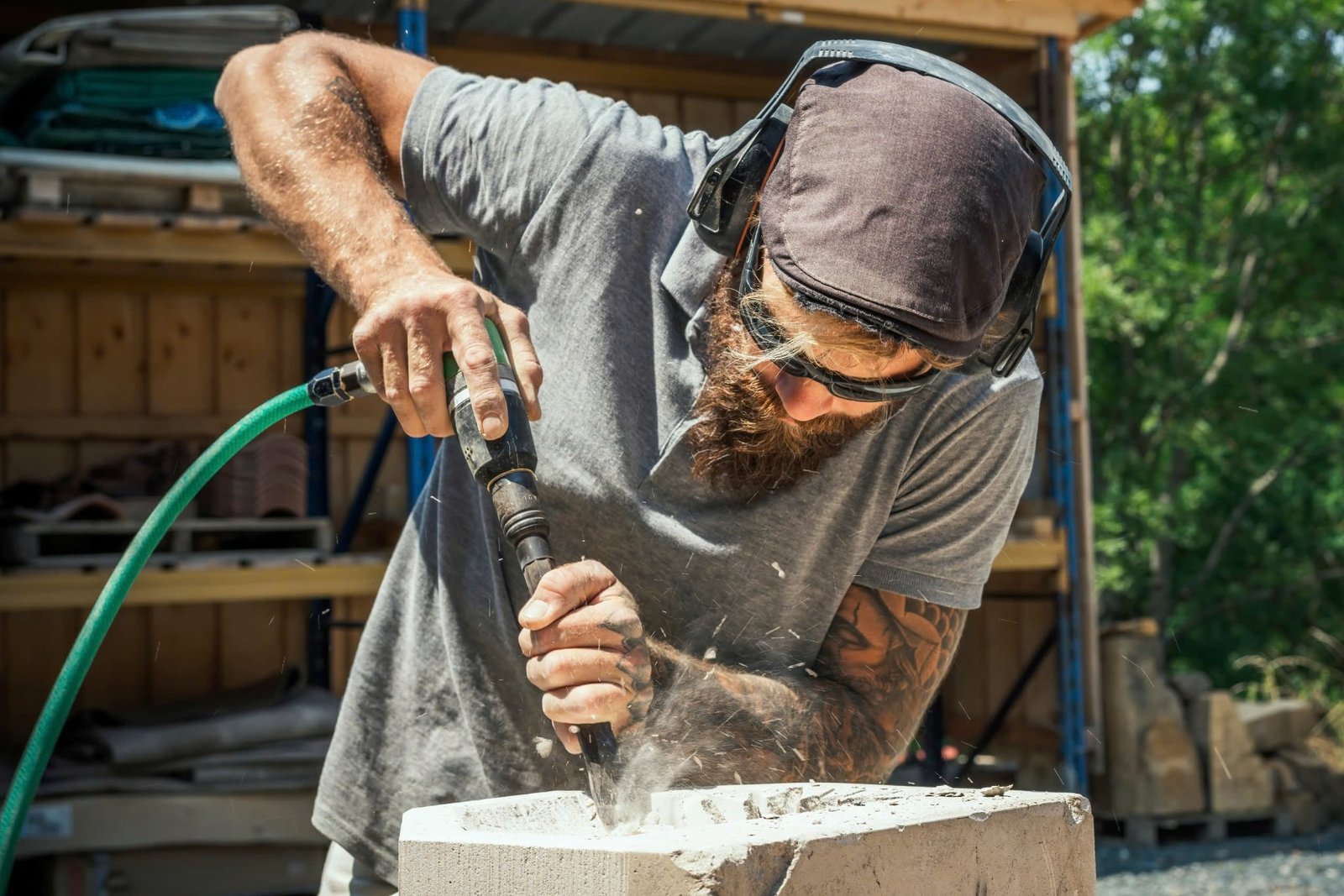
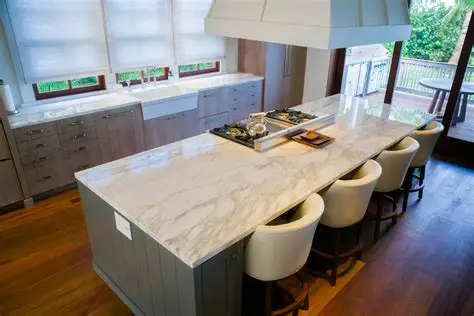
When people choose granite for kitchen countertops, flooring, or outdoor projects, they’re often thinking about looks first—veins, colors, and patterns.
When people choose granite for kitchen countertops, flooring, or outdoor projects, they’re often thinking about looks first—veins, colors, and patterns. But there’s one technical property that quietly makes granite such a superstar in homes and buildings around the world:
Granite is a hard, durable natural stone with a hardness of about 6–7 on the Mohs scale.
That means granite stone is hard enough to resist most scratches, daily wear, and heavy use—without being so brittle that it becomes impractical as a surface material.
In this guide, we’ll look at:
- What the “hardness of granite” actually means
- How granite’s geology and mineral makeup affect its hardness
- What granite hardness means for countertops, flooring, and outdoor use
- How granite compares to quartz, marble, soapstone, and even concrete
- How Aardwolf granite options, care, and cost fit into the picture
We’ll also connect to related topics like:
to support a strong, semantic SEO structure around granite as a material.
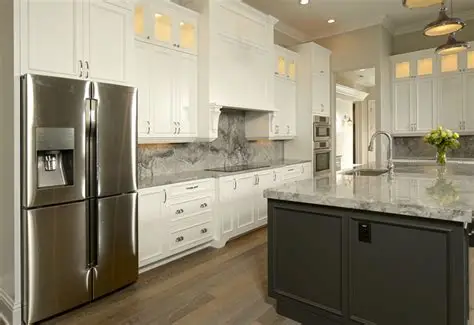
Understanding Granite Hardness: The Mohs Scale
To talk about the hardness of granite, we use the Mohs hardness scale—a simple ranking from 1 to 10 that compares minerals based on how easily they scratch each other.
- Talc (softest) = 1
- Gypsum = 2
- Calcite = 3
- Fluorite = 4
- Apatite = 5
- Orthoclase (feldspar) = 6
- Quartz = 7
- Topaz = 8
- Corundum = 9
- Diamond (hardest) = 10
Because granite is a rock made of several minerals—mostly quartz and feldspar—its hardness is not a single mineral value, but an overall range.
What is the hardness of granite?
Most natural granite stone falls between:
6 and 7 on the Mohs scale
That’s because:
- Feldspar (around Mohs 6) and
- Quartz (Mohs 7)
are the dominant minerals in granite. The combination gives granite an average hardness high enough to:
- Resist most everyday scratches
- Stand up to foot traffic on floors
- Perform very well as a countertop surface in busy kitchens
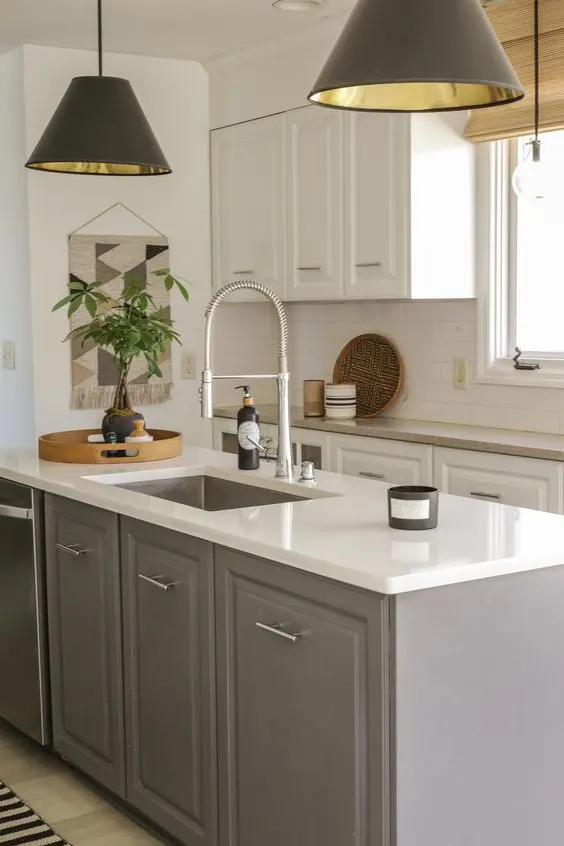
Granite Geology and Composition: Why It’s So Hard
To really understand why granite is this hard, it helps to zoom in on granite geology and composition.
Granite is:
- A coarse-grained intrusive igneous rock
- Formed when silica-rich magma cools slowly deep in the Earth’s crust
- Made primarily of quartz, feldspar, and mica, with some accessory minerals
Quartz and feldspar are both relatively hard minerals. Because they grow as interlocking crystals, the resulting rock:
- Has excellent compressive strength
- Resists impact and abrasion
- Maintains a stable surface even under heavy use
If you want to go deeper into this side of things, pair this article with:
- Granite rock is light in color – how mineral content shapes color
- What is the texture of granite? – how grain size and crystal structure influence performance
- How much does granite weigh? – density and weight in real-world installations
Together, hardness + density + texture explain why granite has such a strong reputation as a countertop and building material.
Characteristics of Granite Related to Hardness
Granite’s hardness ties directly into the key characteristics of granite that homeowners and designers care about.
1. Scratch resistance
With a Mohs hardness of 6–7:
- Everyday items like aluminum pans, plastic utensils, or wood cutting boards won’t scratch granite.
- Some steels and ceramics can scratch granite if dragged aggressively across the surface.
You should still use cutting boards—not because granite can’t take it, but because knives will dull quickly against the stone, and aggressive cuts may eventually mark softer mineral areas or the sealer.
2. Durability in busy spaces
Hardness makes granite ideal for:
- High-traffic kitchen countertops
- Busy family kitchens and islands
- Commercial bars and café counters
- Entryway and hall flooring
It’s one reason granite better than concrete countertops for many homes: concrete can crack or chip more readily, while granite’s crystalline structure and hardness give it long-term resilience.
3. Heat and impact resistance
Hardness is often accompanied by good heat tolerance and compressive strength:
- Granite can handle hot pots better than many composite or laminate surfaces.
- It resists chips along edges and corners better than softer stones when properly installed.
Natural vs. Engineered Granite (Quartz): Which Is Harder?
When people compare natural vs. engineered granite, they usually mean:
- Natural granite stone – quarried blocks cut into slabs
- Engineered quartz – slabs made from crushed stone and resin
In terms of hardness:
- Natural granite: Mohs 6–7
- Quartz (mineral): Mohs 7
- Engineered quartz surfaces: effectively around 7, though the resin component can be softer
Granite vs quartz countertops
- Granite
- Hard, natural mixture of minerals
- Very good scratch resistance and heat resistance
- Needs sealing granite periodically to protect against stains
- Quartz (engineered)
- Very hard surface with consistent composition
- Excellent scratch and stain resistance due to non-porous resin matrix
- Less heat-tolerant near very hot pans
In day-to-day life, both materials are hard enough for kitchen use. The bigger differences are:
- Heat behavior
- Maintenance (sealing vs no sealing)
- Look (natural variation vs uniform design)
Granite vs Marble, Soapstone, and Concrete: Hardness Comparison
Understanding the hardness of granite helps in any natural stone countertop comparison.
Granite vs marble: pros and cons
- Granite (Mohs ~6–7)
- Harder and more scratch-resistant
- More resistant to etching from mild acids
- Better suited to busy kitchens with kids, cooking, and heavy use
- Marble (Mohs ~3–4)
- Softer and more easily scratched
- Etches quickly from lemon, vinegar, wine, and acidic cleaners
- Often used where beauty is prioritized over toughness
If you want durability first, granite usually wins. Marble may be chosen for aesthetics, but it demands more careful maintenance.
Granite vs soapstone durability
- Granite – significantly harder; better at resisting scratches and impacts.
- Soapstone – softer and can scratch or dent more easily, but naturally non-porous and often oiled for a rich matte look.
For heavy-use kitchens, granite’s hardness usually gives it the edge, while soapstone has a niche for those who love its soft feel and patina.
Granite better than concrete countertops?
Concrete’s hardness can vary, but in general:
- Concrete can chip or crack more easily if not properly reinforced.
- Granite’s crystalline structure and higher Mohs hardness make it more predictable and durable over time.
For most homeowners, granite offers a more stable, lower-maintenance solution in the long run.
How Hardness Affects Granite Countertop Care
Even though granite is hard, proper care keeps it looking pristine for decades.
Clean granite countertops
Because granite is hard and dense, it tolerates gentle daily cleaning very well:
- Use pH-neutral stone cleaners or mild dish soap with water.
- Avoid harsh acids or overly abrasive powders that can dull the sealer or softer mineral patches.
Sealing granite
Hardness doesn’t mean zero porosity. Granite is still a natural stone with microscopic pores:
- A penetrating sealer helps prevent removing stains from granite from becoming a major project.
- Sealing makes a big difference for white granite countertop surfaces where stains are more visible.
Repairing chips in granite
Thanks to high hardness, chips are relatively rare—but edge impacts can still cause them:
- Small chips can often be repaired with color-matched epoxies.
- Major damage might require a skilled stone technician.
Polishing granite surfaces
Over time, even very hard granite can lose some of its gloss in high-traffic areas:
- Professional polishing granite surfaces can restore the shine.
- Proper cleaning and avoiding harsh pads preserves the finish longer.
Granite Hardness and Design: Colors, Texture, and Weight
Hardness is just one part of granite’s story as a design material.
Color and mineral content
As the mineral content shifts, color changes:
- Light-colored granites often have more light feldspar and quartz.
- Darker varieties may contain more dark minerals.
For a deeper dive into color relationships, see:
👉 Granite rock is light in color
Texture of granite
Granite usually has a coarse, crystalline texture, with visible grains of minerals. Your choice of finish—polished, honed, or leathered—doesn’t change hardness, but it does affect:
- How the surface feels
- How much fine scratching will show (high gloss vs matte)
Learn more here:
👉 What is the texture of granite?
Weight and thickness
The hardness and density of granite also translate into weight:
- Thicker slabs (like 3 cm) are tougher, but also heavier.
- Supporting structures must be designed around that weight.
If you’re planning an island or large run of stone, check:
👉 How much does granite weigh?
Granite Countertop Cost, Options, and Aardwolf Granite
Hard, dense, durable materials don’t just perform well—they also impact budget and logistics.
Granite countertop cost
Granite countertop cost depends on:
- Stone rarity and pattern
- Thickness and slab size
- Complexity of cuts and edges
- Installation difficulty (weight, access, supports)
For affordable granite countertop options, you might:
- Choose more common color patterns
- Use standard 2 cm or 3 cm slabs
- Opt for simpler edge profiles
- Work with experienced wholesale granite suppliers
Aardwolf granite countertop collection
Curated offerings like the Aardwolf granite countertop collection can help you:
- Browse a wide range of colors and styles, all based on hard, durable stones
- Use an Aardwolf granite pricing guide to balance design and budget
- Select Aardwolf premium granite slabs with the right look and performance for your project
- Rely on Aardwolf granite installation services for safe, professional handling of heavy, hard stone
From bold black granite countertops to light, modern whites and intricate patterns, picking the best Aardwolf granite colors and granite backsplash designs becomes a matter of style—hardness and durability are a given.
Final Thoughts: What Is the Hardness of Granite—and Why It Matters
So, to answer the core question:
The hardness of granite is typically between 6 and 7 on the Mohs scale, thanks to its high quartz and feldspar content.
That hardness means:
- Excellent scratch resistance in everyday use
- Strong performance as flooring, counters, and exterior cladding
- Long-term durability when paired with proper sealing and maintenance