
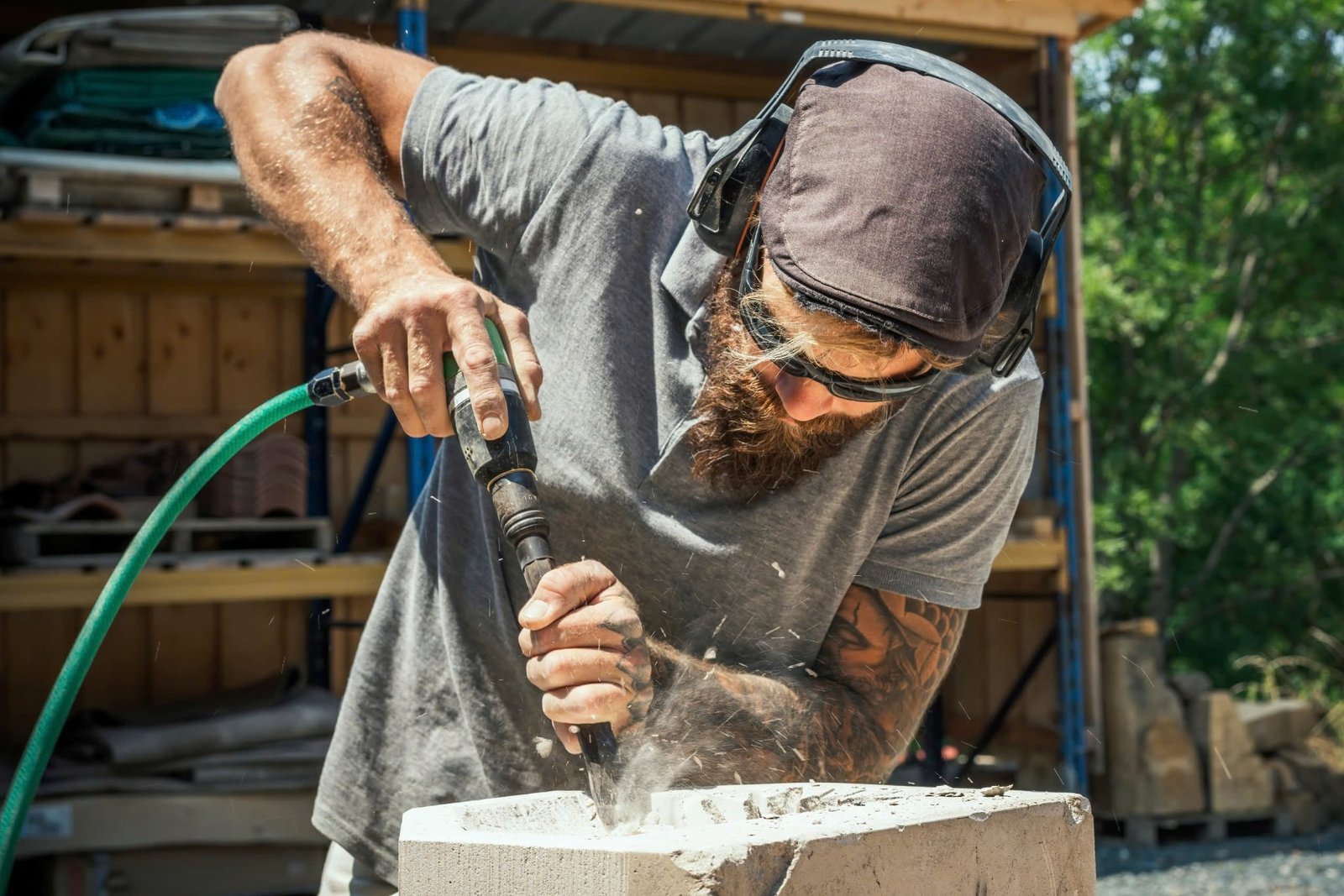
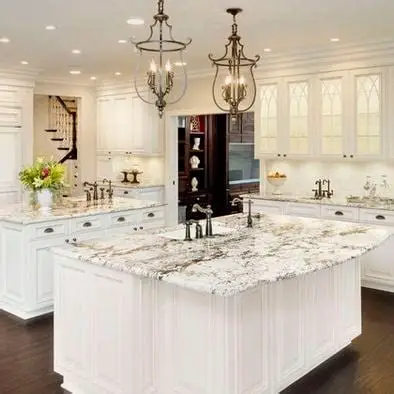
If you’ve ever stared at your granite countertop and wondered, “What exactly is this made of?”, you’re really asking a fun geology
If you’ve ever stared at your granite countertop and wondered, “What exactly is this made of?”, you’re really asking a fun geology question:
Magma + what = granite?
The short answer:
Magma + the right minerals + slow underground cooling + millions of years = granite stone.
But that’s just the start. In this guide, we’ll unpack:
- How magma turns into granite stone
- The granite geology and composition that make it so tough
- What this means for porosity, stains, and everyday countertop care
- How natural granite compares to engineered alternatives
- How Aardwolf granite products fit into the full story, from quarry to finished kitchen
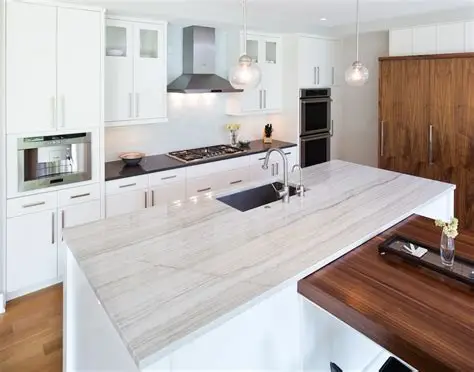
1. Magma + Time + Slow Cooling = Granite Stone
Let’s break the “equation” down.
1.1 What is magma?
Magma is molten rock stored beneath the Earth’s surface. It contains:
- Melted minerals
- Dissolved gases
- Crystals that haven’t fully melted
Not all magma creates granite. The type of rock that forms depends on:
- Chemical composition (how much silica it contains)
- Cooling speed
- Depth in the crust
1.2 The magma recipe for granite
To get granite stone, you need silica-rich magma (felsic magma). That magma:
- Forms mainly in thick continental crust
- Is loaded with silica, aluminum, sodium, and potassium
- Cools slowly deep underground
This magma chemistry leads to the classic granite geology and composition:
- Quartz (hard, glassy crystals)
- Feldspar (white, cream, or pink)
- Mica (dark or silver flakes)
- Small accessory minerals that add unique flecks and color changes
For a deeper dive into the long version of this process, you can check:
How Is Granite Formed?
So our equation now looks like:
Silica-rich magma + slow underground cooling = coarse-grained granite
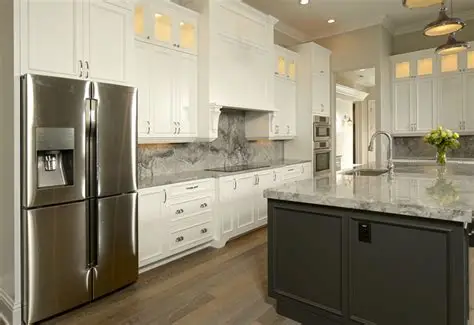
2. Why Slow Cooling Matters for Granite Characteristics
2.1 Intrusive igneous rock
Granite is an intrusive igneous rock, meaning it:
- Cools inside the Earth (not at the surface)
- Cools very slowly, over thousands to millions of years
That slow cooling gives granite its:
- Large, visible crystals
- Speckled appearance
- Ability to be polished to a high gloss
These are key characteristics of granite that make it ideal for countertops and flooring.
2.2 From deep plutons to exposed quarries
After granite solidifies:
- It forms huge underground bodies called plutons or batholiths.
- Plate tectonics lifts those masses closer to the surface.
- Erosion removes softer rock layers above.
- Granite becomes exposed, where it can be quarried and turned into granite countertops.
What started as magma deep underground ends up as the polished white granite countertop or black granite countertops you see in kitchens and bathrooms.
3. Magma + Minerals = Granite’s Durability (and Porosity)
Granite’s formation controls how it behaves in your home.
3.1 Hardness and scratch resistance
Because granite is mostly quartz and feldspar:
- It ranks high on the hardness scale.
- Resists scratches from normal kitchen use.
That’s why it’s a top performer in any natural stone countertop comparison, especially versus softer stones like marble.
3.2 Is granite porous or non-porous?
Even though granite feels solid and glassy, it’s still technically porous at the microscopic level. Between the crystals are tiny gaps where liquids can slowly seep in.
If you want a full breakdown, pair this article with:
- Is Granite Porous?
- Does Granite Stain?
- Is Granite Non-Porous?
These resources explain:
- Why natural granite stone is slightly porous
- Why sealing granite is essential for kitchen use
- How porosity relates to stain resistance
The simple takeaway:
Magma + minerals + slow cooling = granite that’s very tough but slightly porous — not perfectly non-porous.
4. From Stone to Surface: Magma + Fabrication = Granite Countertops
Once magma has done its job and granite is exposed, humans take over.
4.1 Quarrying granite stone
At the quarry:
- Large blocks of solid granite are cut from the rock face
- Heavy machinery loads and transports those blocks
- Blocks are sent to factories to be sliced into slabs
Over this step, granite shifts from raw rock to something that looks like a future granite countertop.
4.2 Cutting and polishing granite slabs
In the factory:
- Granite blocks are sliced into slabs.
- Slabs are calibrated to consistent thickness.
- Multiple stages of grinding and polishing granite surfaces create the final finish (polished, honed, leathered, etc.).
The polishing process enhances color and pattern, bringing out the mineral mix created by that original magma.
4.3 Sealing granite to control porosity and stains
Because granite is slightly porous, most fabricators apply a penetrating sealer. Sealing:
- Fills/lines microscopic pores
- Helps create truly clean granite countertops that resist staining
- Makes daily wiping and maintenance easier
Over time, resealing is part of good care—especially in busy kitchens where spills are common.
For stain behavior and prevention, see:
Does Granite Stain?
5. Natural vs. Engineered Granite: Same Look, Different Equation
Our equation so far describes natural granite. But there’s also engineered quartz that looks like granite.
5.1 Natural granite
- Input: magma + minerals + slow cooling + geological uplift
- Output: unique granite stone slabs with one-of-a-kind patterns
Pros:
- Natural beauty, no two slabs are identical
- Excellent heat resistance
- Long lifespan when sealed and maintained
5.2 Engineered “granite-like” quartz
- Input: crushed stone + resins + pigments + factory processing
- Output: engineered slabs resembling granite
Pros:
- Non-porous surface, no sealing needed
- Very consistent colors and patterns
In a granite vs quartz countertops comparison:
- Quartz wins on zero porosity and simple maintenance.
- Natural granite wins on geology-driven uniqueness and higher heat tolerance.
6. Granite vs Other Countertop Materials: What the Magma Equation Means
Because of how granite is born, it behaves differently from other stones.
6.1 Granite vs marble: pros and cons
- Marble forms from limestone, not magma. It’s softer and more porous, prone to etching from acids.
- Granite has harder minerals from cooling magma, so it resists scratches and etching better.
If you love bright, veined stone but want toughness, granite is often the more practical choice.
6.2 Granite vs soapstone durability
- Soapstone is dense and stain-resistant, but much softer—easy to scratch.
- Granite is harder, making it more resistant to daily wear on busy prep surfaces.
6.3 Granite better than concrete countertops?
- Concrete is man-made and extremely porous; it relies heavily on sealers and can crack.
- Granite, formed naturally from magma, is dense, strong, and usually easier to maintain over the long term.
In many natural stone countertop comparison situations, granite hits the sweet spot: real stone, good durability, and manageable maintenance.
7. Design: Turning Magma’s Work into a Stunning Kitchen
Granite’s mineral mix gives you endless design possibilities.
7.1 White granite countertop vs black granite countertops
- White granite countertop styles brighten spaces and pair beautifully with darker cabinets or minimalist designs.
- Black granite countertops offer drama and contrast, especially with white or light-wood cabinetry.
The exact look depends on which minerals dominated in the original magma and how they crystallized.
7.2 Granite backsplash designs & pairing with cabinet colors
Because granite slabs are unique:
- Matching granite backsplash designs can create a seamless, high-end look.
- Pairing granite with cabinet colors lets you highlight contrast or harmony:
- Light cabinets + dark granite = bold, modern contrast
- Dark cabinets + light granite = balanced sophistication
- Natural wood + mid-tone granite = warm, classic style
The same geological story works in bathrooms, laundry rooms, and even entryways.
8. Granite Countertop Cost, Where to Buy & Aardwolf’s Role
8.1 Granite countertop cost and where to buy granite countertops
Granite countertop cost depends on:
- Rarity and pattern (some granite colors are more common; others are exotic)
- Slab thickness and finish
- Complexity of your kitchen layout
- Local fabrication and labor costs
You can find granite through:
- Local stone yards and fabricators
- Wholesale granite suppliers (great for hand-picking slabs)
- Retailers offering affordable granite countertop options in popular colors
8.2 Aardwolf granite: from magma to modern kitchen
Aardwolf helps turn magma’s work into practical, beautiful surfaces:
- The Aardwolf granite countertop collection showcases carefully chosen stones with strong structure and attractive patterns.
- Aardwolf premium granite slabs deliver quality material ready for precise fabrication.
- With Aardwolf granite installation services, you get professional measurement, cutting, edge work, and installation.
- The Aardwolf granite pricing guide helps you compare tiers—from budget-friendly choices to the best Aardwolf granite colors for showpiece islands and high-end kitchens.
When you combine geologically strong stone with expert fabrication and installation, you get granite surfaces that perform well for decades.
9. Everyday Care: Protecting Millions of Years of Geology
After all that time in the Earth, your granite deserves a bit of care.
9.1 Daily maintenance
To keep clean granite countertops:
- Wipe with mild dish soap and water, then dry with a microfiber cloth.
- Avoid harsh chemicals and abrasive pads that can damage sealer and gloss.
9.2 Sealing and stain prevention
Because of those microscopic spaces between crystals:
- Sealing granite periodically is essential to minimize absorption.
- Prompt cleanup of spills helps prevent stains.
For more on porosity and stains:
- Is Granite Porous?
- Does Granite Stain?
- Is Granite Non-Porous?
These explain why even extremely tough granite stone benefits from good sealing and simple routine care.
Final Answer: Magma + What Equals Granite?
Let’s finish our original equation:
Magma + silica-rich composition + slow underground cooling + minerals (quartz, feldspar, mica) + uplift + erosion + skilled fabrication = granite.
That same process:
- Gives granite its hardness and durability
- Creates its subtle porosity (and need for sealing)
- Produces the natural beauty that engineered materials can only imitate