
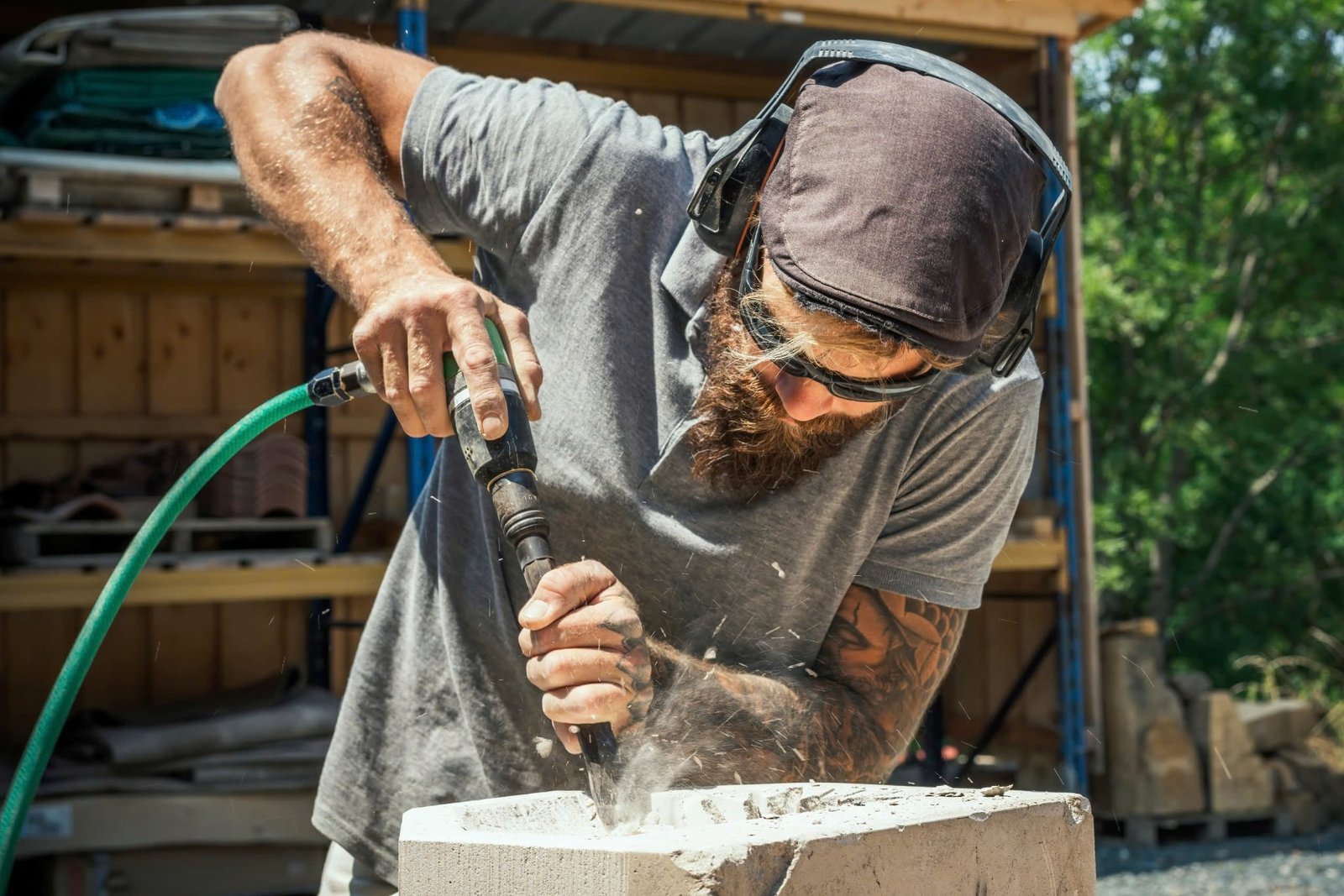
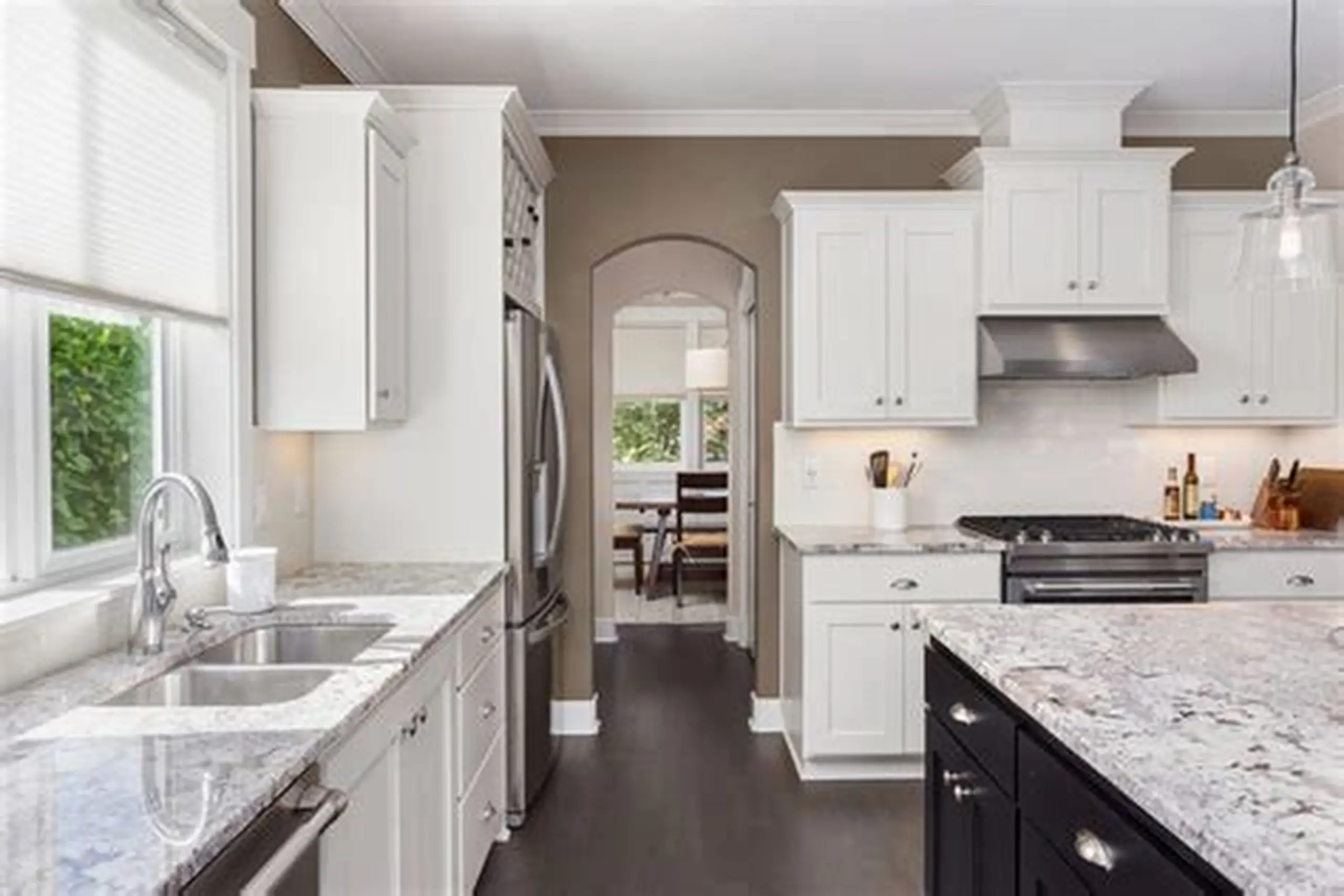
Granite is everywhere in modern homes on kitchen islands, bathroom vanities, and even as feature walls.
Granite is everywhere in modern homes on kitchen islands, bathroom vanities, and even as feature walls. But long before it became a sleek, polished granite countertop, it was molten rock deep inside the Earth.
If you’ve ever wondered how granite is formed, this guide walks you through the full journey:
- How granite starts as magma
- The granite geology and composition that make it so tough
- Why granite ends up in huge underground bodies called plutons
- How uplift and erosion bring granite stone to the surface
- How that same rock becomes slabs, tiles, and the Aardwolf granite countertop collection
Along the way, we’ll connect the science to practical topics like durability, porosity, stains, and even design choices.
What Is Granite? A Quick Look at Granite Stone
Before we talk about how granite is formed, let’s define what granite actually is.
Granite is a coarse-grained intrusive igneous rock. In plain language:
- Intrusive – it forms from magma that cools slowly underground
- Igneous – it’s born from melted rock, not compressed sand (sedimentary) or transformed rock (metamorphic)
- Coarse-grained – its crystals are large enough to see with the naked eye
Granite geology and composition
Typical granite contains:
- Quartz – hard, glassy mineral that boosts durability
- Feldspar – usually white, cream, or pink; gives granite much of its color
- Micas (like biotite or muscovite) – dark or silvery flakes that add sparkle
- Accessory minerals – small amounts of other minerals that create unique flecks and hues
These minerals define many of the key characteristics of granite:
- High hardness and scratch resistance
- Excellent heat resistance
- Moderate porosity and outstanding durability
If you’d like to dive deeper into the physical properties, you can read more in this guide:
Step 1: Granite Begins as Silica-Rich Magma
The story of granite starts deep in the Earth’s crust.
Where does the magma come from?
Granite-forming magma usually develops:
- At convergent plate boundaries, where one tectonic plate is forced under another
- In thick continental crust, where rocks partially melt due to heat and pressure
This partial melting tends to produce silica-rich magma (felsic magma), which is the raw material for granite.
Why magma chemistry matters for granite
Because granite’s magma is rich in silica and lighter elements:
- It crystallizes into quartz and feldspar, not heavy, dark minerals like pyroxene or olivine
- It tends to be lighter in color than basalt or gabbro
- It has a higher viscosity (thicker, stickier magma)
This sticky magma doesn’t flow easily to the surface. Instead, it usually stalls and cools slowly underground, which is crucial for the formation of large crystals and the familiar speckled look of granite stone.
Step 2: Slow Underground Cooling – How Granite Crystals Grow
The most important factor in how granite is formed is time.
Intrusive cooling inside the crust
Rather than erupting as lava, granite magma:
- Collects in huge underground reservoirs (called magma chambers)
- Cools extremely slowly—over tens of thousands to millions of years
- Crystallizes from the outside inward as temperatures drop
Because cooling is so gradual, crystals have time to grow:
- Quartz forms clear to milky grains
- Feldspar grows into opaque white, gray, or pink blocks
- Mica forms shiny flakes
This slow crystallization is why granite has such a coarse-grained texture and why you can see individual mineral grains with your naked eye.
Step 3: Forming Plutons and Batholiths – Giant Bodies of Granite
As magma chambers cool and solidify, they form large bodies of granite called plutons. When multiple plutons are connected over a vast region, they form batholiths—huge granite masses that may span hundreds of kilometers underground.
Over geological time:
- These granite bodies become the rigid “core” of many mountain belts
- They serve as the basement rock beneath younger sedimentary layers
Major mountain ranges around the world have granite at their heart, reflecting the immense forces and long timeframe involved in granite formation.
Step 4: Uplift and Erosion – Bringing Granite to the Surface
Even after granite has fully formed, it’s still hidden deep underground. It takes a second long process to bring it within reach of quarries and, eventually, your granite countertops.
Uplift: Raising granite closer to the surface
Plate tectonics doesn’t stop when magma cools:
- Colliding tectonic plates create mountains and uplift large blocks of crust
- Granite plutons rise slowly as the crust is pushed upward
Erosion: Stripping away the cover
At the same time:
- Wind, water, ice, and gravity erode the softer rocks above the granite
- Over millions of years, sedimentary layers are stripped away
- The once-deep granite is exposed at or near the surface
This is why we see massive granite outcrops, cliffs, and domes in many mountain ranges around the world.
Step 5: From Quarry to Slab – Turning Granite Rock into Countertops
Once granite is exposed and accessible, it becomes a resource for construction and design.
Quarrying granite stone
Quarrying involves:
- Identifying high-quality granite bodies with good structural integrity
- Cutting large blocks from the quarry face using wire saws or drills
- Transporting these blocks to processing facilities
Because granite is dense and heavy, logistics and support are important. If you’re curious about the practical side, you can check:
Cutting and finishing slabs
At the fabrication shop, granite blocks are:
- Sawn into slabs – using large gang saws or wire saws
- Polished – abrasive pads grind and smooth the surface in stages until it reaches a glossy finish
- Inspected and graded – for color, consistency, and structural soundness
This is how raw rock becomes Aardwolf premium granite slabs and other high-quality products destined for homes and commercial spaces.
Granite in the Home: From Geology to Design
Thanks to its geological story, granite brings a mix of beauty and performance that’s hard to beat.
Characteristics of granite in everyday use
Because of its mineral composition and formation:
- Granite is highly resistant to scratches and cuts
- It tolerates hot pots better than many synthetic materials
- It’s only mildly porous, which matters for stains and maintenance
If you’re exploring performance topics further, you might also be interested in:
- Is Granite Porous? (for a detailed look at porosity and sealing)
- Does granite stain? (for stain risks and prevention)
Natural vs. engineered granite in kitchens
In a natural vs. engineered granite comparison:
- Natural granite offers unique patterns, veining, and color variations shaped over millions of years
- Engineered quartz surfaces offer more uniform patterns and are fully non-porous but lack the deep geological story and subtle natural variations
Both have their place, but if you love authentic stone, natural granite countertops are hard to resist.
Granite Countertops: Care, Maintenance and Longevity
The way granite is formed explains why it behaves the way it does in your kitchen or bathroom.
Sealing granite
Because granite is slightly porous:
- Sealing granite is recommended to reduce absorption
- A good penetrating sealer fills microscopic pores and helps repel water, oils, and pigments
- Sealed granite is much easier to keep looking like new
Clean granite countertops
Daily care is simple:
- Wipe spills promptly
- Use mild, pH-neutral cleaners
- Avoid harsh acids and abrasives that can wear down the sealer over time
Repairing chips and polishing granite surfaces
Even tough granite can chip or dull in high-traffic areas:
- Repairing chips in granite typically involves filling small chips with clear or color-matched epoxy
- Polishing granite surfaces can restore shine if the surface becomes etched or heavily scratched
These maintenance tasks are minor compared to the rock’s overall lifespan—it took millions of years to form, and it’s more than up to the task of daily family life.
Granite vs Other Countertop Materials: A Natural Stone Countertop Comparison
Understanding how granite is formed makes it easier to compare it with other materials.
Granite vs quartz countertops
- Granite: natural, heat-resistant, unique slabs, requires periodic sealing
- Quartz: engineered, non-porous, very stain-resistant, less heat-tolerant
Granite vs marble: pros and cons
- Marble: softer, more porous, more prone to etching and staining
- Granite: harder and generally more durable for kitchens
Granite vs soapstone durability
- Soapstone: dense and stain-resistant but softer and more prone to surface scratching
- Granite: harder, better at holding a polished finish, less likely to show daily wear
Granite better than concrete countertops?
- Concrete: extremely porous, heavily dependent on sealers, can crack
- Granite: naturally dense, easier to maintain over time once sealed
From a natural stone countertop comparison standpoint, granite is often the most balanced option: geological beauty plus practical performance.
Cost, Sourcing and Aardwolf Granite Solutions
Granite countertop cost and where to buy
Granite countertop cost depends on:
- Color, rarity, and pattern of the granite
- Thickness of the slab and edge profiles
- Fabrication complexity and local labor rates
You can find granite through:
- Local stone yards and showrooms
- Wholesale granite suppliers (ideal when you want to hand-select slabs)
- Big-box home improvement stores with affordable granite countertop options
Aardwolf granite countertop collection
If you want reliable performance plus curated style, the Aardwolf granite countertop collection is designed to bring together:
- High-quality Aardwolf premium granite slabs
- A range of shades from bright white granite countertop styles to dramatic black granite countertops
- Patterns and colors selected to work well with contemporary and classic interiors
Aardwolf granite installation services & pricing guide
With Aardwolf granite installation services, you get:
- Professional templating, cutting, and seam placement
- Proper structural support for heavy granite slabs
- Expert sealing and finishing to protect the stone from day one
The Aardwolf granite pricing guide helps homeowners and designers:
- Compare tiers from budget-friendly to premium stones
- Match materials with project budgets
- Choose the best Aardwolf granite colors for cabinets, floors, and granite backsplash designs
From Magma to Your Home: The Long Journey of Granite
So, how is granite formed?
- Silica-rich magma develops deep within the Earth’s crust.
- The magma cools slowly underground, crystallizing into quartz, feldspar, mica, and other minerals.
- Massive bodies of granite stone (plutons and batholiths) solidify over millions of years.
- Uplift and erosion expose these granite masses at the surface.
- Quarries cut and process the rock into slabs, tiles, and blocks.
- Fabricators polish, cut, and shape those slabs into the granite countertops you see in kitchens and bathrooms around the world.