


Yes, granite can stain—but it’s much more stain-resistant than many other natural stones, especially when it’s properly sealed and cared for.
If you’re shopping for granite stone or already have granite countertops, you’ve probably heard two totally opposite claims:
- “Granite doesn’t stain. It’s bombproof.”
- “Granite stains so easily. Don’t risk it.”
The truth sits right in the middle. Yes, granite can stain—but it’s much more stain-resistant than many other natural stones, especially when it’s properly sealed and cared for.
This guide explains:
- Why and how granite stains
- Which spills cause the worst marks
- How sealing granite and simple cleaning habits prevent most problems
- How to tackle removing stains from granite if they do happen
- How granite compares to quartz, marble, soapstone, and even concrete
- Where design, cost, and Aardwolf granite options fit into the big picture
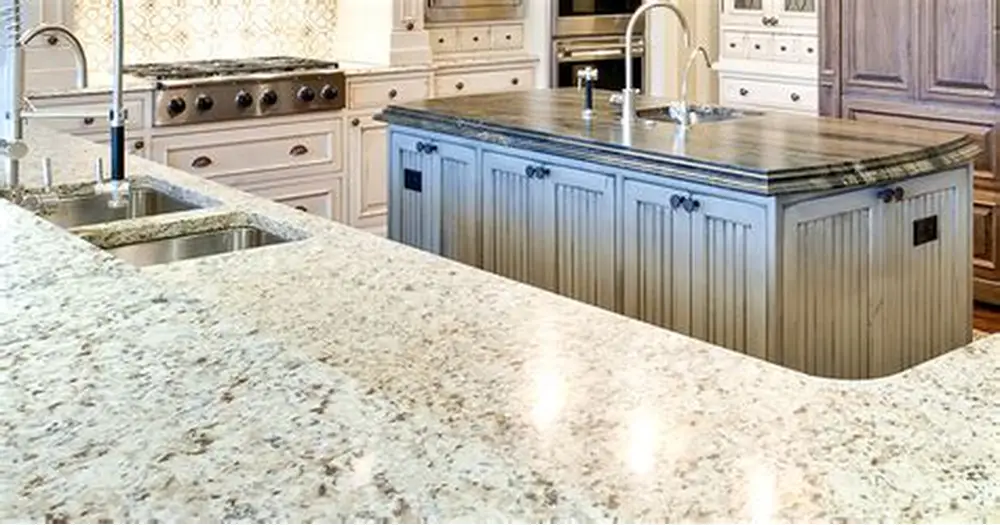
Granite Stone 101: Geology, Composition & Porosity
To understand staining, you need to know what granite actually is.
Granite geology and composition
Granite is an igneous rock that forms when molten magma cools slowly deep underground. That slow cooling gives granite its classic speckled look:
- Quartz – boosts hardness and scratch resistance
- Feldspar – adds many of the white, gray, and pink tones
- Mica & accessory minerals – create dark flakes and sparkle
This crystal mix gives the key characteristics of granite:
- Very hard (about 6–7 on the Mohs scale)
- Highly scratch- and heat-resistant
- Naturally porous – it contains microscopic gaps and capillaries that can absorb liquids
Want to dig deeper into the structure of granite? Check out:
Those will help you understand why granite is both tough and slightly absorbent at the same time.
Natural vs. engineered granite
In showrooms, you’ll see:
- Natural granite – real stone cut from quarries
- Engineered “granite” / quartz – man-made surfaces that imitate granite’s look
Natural granite is mildly porous and needs sealing. Engineered quartz uses resins to create a non-porous surface that resists stains without sealing—but sacrifices some of the wild, natural patterning you get from real granite. stonefabber.com+1

So…Does Granite Stain?
Short answer: yes, granite can stain—especially if:
- The surface isn’t sealed (or the sealer is worn out)
- Spills sit for a long time
- You’re dealing with oil, heavily pigmented liquids, or dye-based products
However:
- Granite is less likely to stain than many other natural stones
- A good penetrating sealer dramatically reduces absorption and buys you cleanup time
- Most stains can be removed with the right poultice or stone-safe stain remover
So granite isn’t magically stain-proof, but it’s also not the fragile diva some people fear.
The Most Common Types of Granite Stains
Different spills create different kinds of stains on granite:
1. Oil-based stains
From: cooking oils, butter, greasy takeout, cosmetics, lotions.
What you’ll see:
Dark, shadowy spots that don’t evaporate like water.
Because oil can seep into pores, these stains are the most stubborn—but still usually fixable with an oil-pulling poultice. Granite Gold®+1
2. Water and mineral stains
From: hard water, glasses left on the counter, drippy faucets.
What you’ll see:
- Rings, cloudy spots, or mineral deposits
- Sometimes just a temporary dark patch that fades as water evaporates
Often, this is more about surface residue (like limescale) than a true deep stain.
3. Organic food & drink stains
From: coffee, tea, wine, fruit juice, tomato sauce, curry, berries.
What you’ll see:
Yellowish, brown, or reddish discoloration—especially noticeable on a white granite countertop or other light stones.
4. Ink, dye & cosmetic stains
From: markers, hair dye, cosmetic pigments, food coloring.
These can be very bold and alarming, but many respond well to targeted stain removers if you act early.
5. Rust and metal stains
From: cans, metal containers, or iron-rich water.
Rust stains are among the toughest and often require specialty stone products or professional help.
Why Some Granite Stains More Easily Than Others
Not all granite slabs behave the same. Several factors change how easily granite stone will stain:
Color & density
- White granite countertop and other pale stones typically show stains more clearly.
- Very dense, dark black granite countertops may absorb less but show water rings and etch-like haze more easily on the surface.
Finish: polished vs. honed
- Polished granite is smoother and more reflective; it tends to repel moisture better and is more forgiving with day-to-day spills.
- Honed or leathered finishes are more matte and can show marks more readily, often needing more frequent sealing. stonefabber.com+1
Location & usage
- Busy kitchens vs. light-use baths
- Indoor vs. outdoor granite countertops
- Areas near sinks, cooktops, and coffee stations
These high-traffic zones see more spills and need more attention.
Natural vs. Engineered Surfaces: Granite in Context
When you’re doing a natural stone countertop comparison, staining is a huge part of the decision.
Granite vs quartz countertops
- Granite vs quartz countertops:
- Granite: natural, slightly porous, needs sealing, excellent heat resistance
- Quartz: engineered, non-porous, no sealing, less tolerant of high heat
If stain paranoia is your #1 concern and you never want to think about sealer, quartz has an edge. If you want real stone and love the patterns, properly sealed granite is a great balance.
Granite vs marble: pros and cons
- Marble is softer and more porous, so it’s more prone to both staining and etching from acids.
- Granite is harder and more stain-resistant, making it better for hard-working kitchens.
Granite vs soapstone durability
- Soapstone is very dense and highly stain-resistant but quite soft and scratch-prone.
- Granite offers a blend of hardness, scratch resistance, and manageable porosity—great for busy households.
Granite better than concrete countertops?
Concrete countertops are trendy but very porous by nature and heavily dependent on sealers. Over time, worn sealer can lead to stains and hairline cracks.
Granite, by contrast, is naturally denser and often requires less heroic sealing to stay in good shape, making it a more practical choice for many kitchens.
Preventing Stains: Daily Habits for Clean Granite Countertops
You don’t need fussy routines to keep clean granite countertops—just smart habits.
Everyday cleaning routine
- Wipe with warm water and a few drops of mild, pH-neutral dish soap
- Use a soft microfiber cloth or sponge
- Rinse with clean water
- Dry thoroughly to avoid water spots and mineral buildup
Cleaners to avoid
On granite, skip:
- Vinegar, lemon juice, or citrus-based cleaners
- Ammonia, bleach, or heavy degreasers
- Abrasive powders or scouring pads
These can damage the sealer and dull the polish, making your granite more vulnerable to stains over time.
Sealing Granite: Your Best Defense Against Stains
Because granite is mildly porous, sealing granite is essential for stain resistance.
How to tell if your granite needs sealing
Try the water drop test:
- Put a few drops of water on the countertop.
- Wait 10–15 minutes.
- If the stone darkens where the water sat, the sealer is weakening and it’s time to reseal.
Basic steps to seal granite
- Deep clean and dry the surface.
- Apply a penetrating stone sealer evenly with a soft cloth or applicator pad.
- Let it soak in as directed.
- Wipe off excess and buff to a gentle sheen.
Do this every 1–3 years (depending on stone color, usage, and product instructions) and most everyday spills won’t stand a chance.
Removing Stains from Granite (Step-by-Step)
If a stain does sneak through, don’t panic. Removing stains from granite is usually a matter of patience and the right method.
- Identify the stain type
- Oily, watery, rusty, organic, or dye/ink?
- Start with simple cleaning
- Mild soap + water to remove surface grime.
- Use a poultice for deeper stains
- Baking soda + water or baking soda + solvent (for oil)
- Spread like thick paste on the stain
- Cover with plastic wrap, tape edges, and leave overnight
- Remove, rinse, and repeat if needed
- Call a pro if:
- Rust won’t budge
- The stain is very large or very old
- You’re unsure what caused it
Done carefully, this process can pull stains out of the pores without scratching or etching the stone.
Damage vs. Stains: Chips, Scratches & Dull Patches
Not everything that “looks bad” on granite is a stain.
Repairing chips in granite
Edge chips around sinks or dishwashers are common:
- Tiny chips can sometimes be filled with clear or color-matched epoxy
- Bigger damage is best left to stone professionals
Polishing granite surfaces
If your countertop looks dull or hazy:
- Try a granite-specific polish for light dullness
- Avoid generic waxes or furniture polishes
- For deep etching or widespread haze, professional honing and polishing may be needed
These services don’t just improve the look—they can help the surface shed spills more easily, improving effective stain resistance.
Design, Cost & Where to Buy Granite Countertops
Granite countertop cost & where to buy
Granite countertop cost depends on:
- Stone rarity and pattern
- Thickness and edge style
- Fabrication complexity
- Local labor rates
You can explore:
- Local fabricators and showrooms
- Wholesale granite suppliers for raw slabs
- Big-box stores with affordable granite countertop options for standard colors and sizes
To plan installation and evaluate structure, these resources help:
They show why professional handling and support are so important.
Colors, backsplashes & cabinets
Stains may be less visible or more visible depending on design choices:
- Light stones (like a creamy white granite countertop) show stains quickly but are easy to monitor.
- Dark black granite countertops hide minor marks but can highlight water rings in certain lighting.
Combine that with:
- Thoughtful granite backsplash designs (full-height granite reduces porous grout lines)
- Smart pairing granite with cabinet colors (contrast for drama, low contrast for a softer, more forgiving look)
Aardwolf Granite: Choosing Quality Slabs That Resist Stains
Quality stone, careful fabrication, and professional installation all make staining less likely.
Aardwolf granite countertop collection
The Aardwolf granite countertop collection is curated to offer:
- Durable, attractive Aardwolf premium granite slabs
- A balance of light, medium, and dark tones among the best Aardwolf granite colors
- Options that pair well with a wide range of cabinet and backsplash styles
Aardwolf granite installation services
With Aardwolf granite installation services, you can expect:
- Correct structural support and substrate preparation
- Seam placement that minimizes visual interruptions
- Proper initial sealing so your counters start life well protected against stains
Aardwolf granite pricing guide
The Aardwolf granite pricing guide helps you compare:
- Entry-level stones and affordable granite countertop options
- Mid-range patterns with more distinctive veining
- Premium showpieces for feature islands and focal walls
Choosing high-quality slabs and professional installation is one of the easiest ways to set yourself up for less staining and easier maintenance over the life of your countertops.
Quick FAQs: Does Granite Stain?
Does granite stain easily?
Not usually. Granite is more stain-resistant than many other natural stones, but it can stain if unsealed or neglected.
Will sealing granite stop all stains?
Sealing drastically reduces absorption and helps prevent most stains, but no surface is 100% stain-proof. Wipe spills quickly for best results.
Are stains in granite permanent?
Most aren’t. With correct stain identification and a good poultice, many stains can be significantly lightened or completely removed.
Is granite still a good choice if I’m worried about stains?
Yes—especially if you prefer real stone. Compared to marble and concrete, granite is generally easier to keep stain-free with simple care and regular sealing.
Final Takeaway
So, does granite stain? It can, but with:
- Good slab selection
- Proper sealing granite on a regular schedule
- Simple daily care for clean granite countertops