
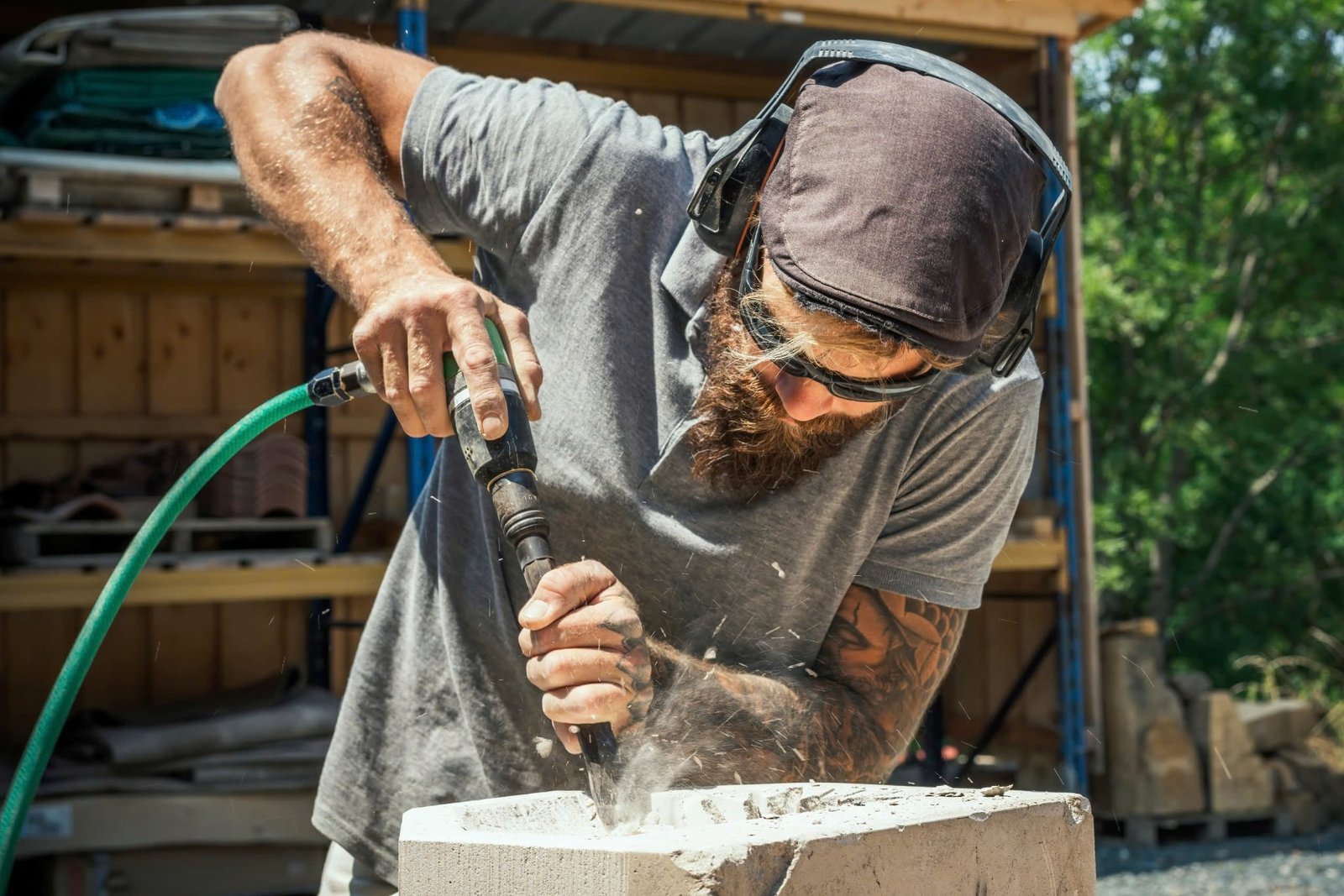
And somewhere in the research, you may have seen other rock names like shale thrown around and wondered how they fit in. Quick note: shale is a soft sedimentary rock – great for geology exams, terrible for countertops. The real comparison is quartz vs granite countertops.
If you’re planning a kitchen or bathroom makeover, you’ve probably asked yourself:
Is quartz more expensive than granite?
And somewhere in the research, you may have seen other rock names like shale thrown around and wondered how they fit in. Quick note: shale is a soft sedimentary rock – great for geology exams, terrible for countertops. The real comparison is quartz vs granite countertops.
In this guide, we’ll look at:
- Whether quartz really costs more than granite
- How granite stone forms and why that affects price
- Cost, maintenance, and durability differences
- Style and design: white granite countertop, black granite countertops, vs quartz looks
- Where to find affordable granite countertop options and when premium slabs make sense
- How Aardwolf products fit into your granite decision
We’ll also point you to helpful related reading, like What Type of Weathering Is Illustrated by the Cracks in the Simulated Granite Outcrop? and the classic question about what type of igneous rock makes up most of the ocean floor – basalt, granite, lucite, shal, shale?
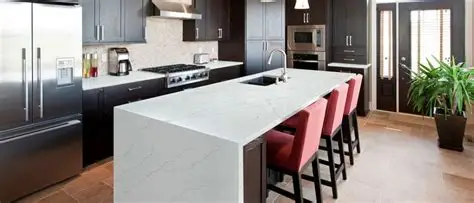
Quick Answer – Is Quartz More Expensive Than Granite?
Short version:
- Quartz is often slightly more expensive per square foot than mid-range granite,
- But their price ranges overlap heavily,
- And high-end granite can cost more than many quartz options.
Many cost guides report typical installed prices roughly like this:
- Quartz countertops: ~$50–$120+ per sq ft installed for most residential projects
- Granite countertops: ~$40–$100+ per sq ft installed for most common colors, with exotic stones going higher
So, is quartz always more expensive than granite?
No. Quartz tends to be a bit more expensive at the low–mid range, but rare granite stone colors and complex installations can easily flip that.
To really understand the difference, it helps to look at what each material actually is.
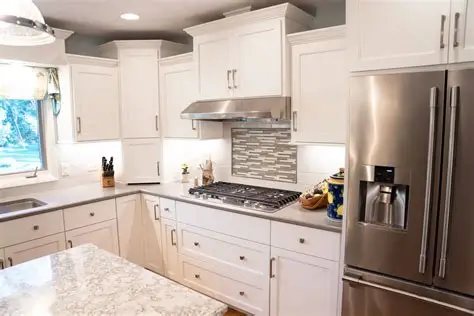
Granite Stone vs Quartz (and Why Shale Isn’t in the Conversation)
Granite geology and composition
Granite is a natural, intrusive igneous rock. It forms when magma cools slowly deep beneath Earth’s surface, giving time for large crystals to grow. Typical granite geology and composition includes:
- Quartz – extremely hard, boosts scratch resistance
- Feldspar – controls much of the base color (white, cream, pink, etc.)
- Mica & accessory minerals – create dark flecks and shimmer
These minerals produce the key characteristics of granite:
- Very high hardness and durability
- Excellent heat resistance
- Slight natural porosity (important for sealing granite)
- Unique, natural patterns in every slab
Granite is also a star of structural geology. Over long periods, pressure and heat can alter it, as explored in:
- What Type of Weathering Is Illustrated by the Cracks in the Simulated Granite Outcrop?
- What geologic process can change granite into gneiss?
- How can a large block of granite form layers like an onion?
If you love rock nerd details, those topics connect the stone in your kitchen to the stone in mountain ranges.
Natural vs. engineered granite (quartz)
In a natural vs. engineered granite discussion:
- Granite countertops
- Cut from real, natural stone blocks
- Each slab is one-of-a-kind
- Can be cleaned, polished, repaired and resealed over decades
- Quartz countertops
- Engineered stone: ~90–95% ground quartz + resins + pigments
- Non-porous and very consistent in color
- Often priced slightly higher on average, especially for designer looks
Shale, by comparison, is a soft, layered sedimentary rock that crumbles easily—great for teaching sedimentary processes, not for countertops.
What Really Drives Granite Countertop Cost?
To answer “is quartz more expensive than granite?” you have to understand what affects granite countertop cost.
1. Color, rarity and movement
- Common, neutral colors with subtle patterns
- Often become affordable granite countertop options.
- Rare colors, dramatic veining or high “movement”
- Sold as premium granite slabs and can be more expensive than many quartz choices.
2. Thickness and edge profiles
- Standard thickness (2–3 cm) is budget-friendly.
- Thicker profiles, mitered edges, and complex decorative edges add to fabrication cost.
3. Layout complexity
- Simple L-shapes cost less.
- Large islands, lots of seams, curves and multiple cutouts (sinks, cooktops) increase labor.
4. Where to buy granite countertops
You’ll usually shop via:
- Local fabricators and showrooms
- Wholesale granite suppliers where you can hand-select slabs
- Big-box stores with pre-priced, affordable granite countertop options
All of these influence whether your project lands at the low, mid, or high end of the granite price spectrum.
Granite vs Quartz Countertops: Cost, Maintenance & Durability
Installed cost comparison
Across many markets, most guides agree:
- Quartz: typically starts a bit higher per square foot and can run up with premium brands and patterns.
- Granite: often starts a bit lower, but rare stones and intricate designs can surpass quartz.
That’s why some homeowners find that quartz is more expensive than granite, while others see the opposite. It’s project-specific. For a nice deep dive on price from another angle, see:
Maintenance: clean granite countertops vs “no-seal” quartz
Granite maintenance:
- Needs sealing granite every 1–3 years to reduce staining
- Daily cleaning with mild dish soap or a stone-safe cleaner
- Occasional polishing granite surfaces keeps the shine fresh
- If something goes wrong, you may deal with removing stains from granite, especially from oils, wine or coffee
Quartz maintenance:
- Non-porous – no sealing required
- Very resistant to most stains
- Clean with mild soap and water
If your priority is zero sealing and minimal upkeep, quartz is “better” for maintenance. If you’re comfortable with light, occasional maintenance, granite remains an excellent choice.
Durability & repair: granite vs quartz
Granite durability:
- Highly resistant to scratches and everyday wear
- Excellent heat resistance – more forgiving of hot pans than quartz
- Repairing chips in granite along edges is usually possible with epoxy
Quartz durability:
- Extremely hard and scratch-resistant
- Resins can be damaged by direct high heat, so trivets are a must
In real kitchens, both perform very well. Heavy cooks often prefer granite for heat resistance; low-maintenance fans often lean toward quartz.
Style: White & Black Granite Countertops vs Quartz Looks
Even if quartz can be more expensive than granite, many homeowners still choose granite purely for its look.
Natural beauty of granite stone
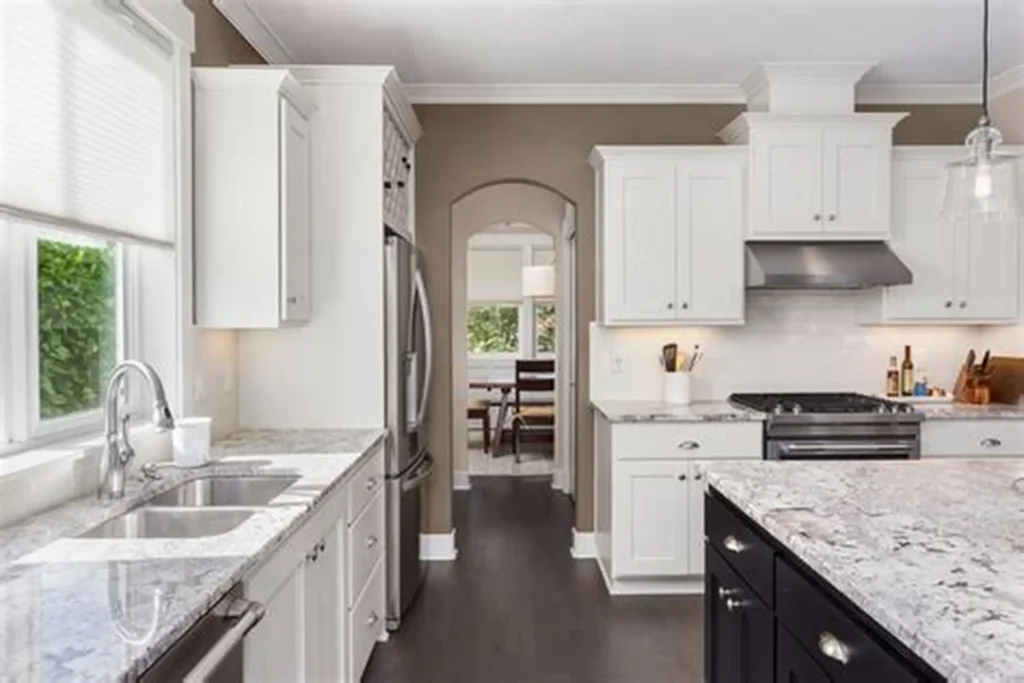
Because granite is natural, every white granite countertop and every run of black granite countertops is one-of-a-kind:
- Organic veining and movement
- Subtle mineral sparkle
- No repeating pattern like you see with many engineered surfaces
Granite works brilliantly in:
- Full-height granite backsplash designs that show off the slab
- Spaces where pairing granite with cabinet colors is part of the aesthetic plan (e.g., warm wood + warm-toned granite, or crisp white cabinets + bold dark granite)
Quartz aesthetics
Quartz excels when you want:
- Perfectly consistent color or controlled “fake marble” veining
- Pure whites, charcoals or trendy greige tones
- A very modern, minimalistic look
If you’d rather avoid natural variation, quartz might feel worth a slightly higher cost.
Natural Stone Countertop Comparison: Granite vs Marble, Soapstone & Concrete
When you’re already this deep into materials, it’s smart to compare granite to other stones too.
Granite vs marble: pros and cons
- Marble
- Softer and more porous
- Easily etched by acids (wine, vinegar, citrus)
- Beautiful but high-maintenance
- Granite
- Harder, more scratch-resistant
- Better for busy kitchens and families
- Easier to refinish and maintain a polish over time
Granite vs soapstone durability
- Soapstone
- Very stain-resistant and non-porous
- Softer and prone to scratches and dents
- Typically oiled regularly for an even look
- Granite
- More scratch-resistant
- Keeps a polished finish longer under heavy use
Granite better than concrete countertops?
- Concrete
- Extremely porous; highly dependent on sealers
- Can crack and chip
- Installation and reinforcement add cost
- Granite
- Naturally dense and strong
- Simpler maintenance and longer proven track record
Across almost any natural stone countertop comparison, granite offers one of the best balances of performance, price, and long-term value.
Granite Countertop Cost, Where to Buy & Aardwolf Solutions
If you decide granite is competitive (or better) on cost and style, the next step is choosing the right product and supplier.
Where to buy granite countertops
You can explore:
- Local fabricators (custom work and personalized guidance)
- Wholesale granite suppliers (best for hand-picking slabs)
- Big-box stores with pre-configured affordable granite countertop options
Ask about:
- Slab grade and thickness
- Fabrication details (edges, seams, sink cutouts)
- Installation schedule and warranty
Aardwolf granite: premium slabs and professional services
The Aardwolf granite countertop collection can simplify everything:
- Aardwolf premium granite slabs are curated for beauty, strength, and consistent quality.
- The lineup includes many of the best Aardwolf granite colors, from subtle neutrals to bold, statement stones.
- With Aardwolf granite installation services, you get professional templating, cutting, support planning, and correct initial sealing.
- The Aardwolf granite pricing guide helps you understand cost tiers and pick a stone that fits both your budget and your design vision.
Whether you’re after a sleek modern kitchen or a classic, warm space, the right granite + the right installer = a countertop that can easily rival quartz on both appearance and value.
Final Verdict: Is Quartz More Expensive Than Granite?
So, is quartz more expensive than granite?
- On average, quartz often starts slightly higher per square foot than mid-range granite.
- But the price ranges overlap significantly, and rare or complex granite stone projects can cost more than many quartz installations.
- Long-term value depends on how you cook, how you clean, and whether you prefer natural or engineered surfaces.
If you want:
- Zero sealing
- Ultra-consistent color and pattern
…then quartz may be worth its often higher price.
If you love:
- The story and look of real stone
- Heat resistance
- The ability to clean, repair, polish, and reseal a surface over decades