
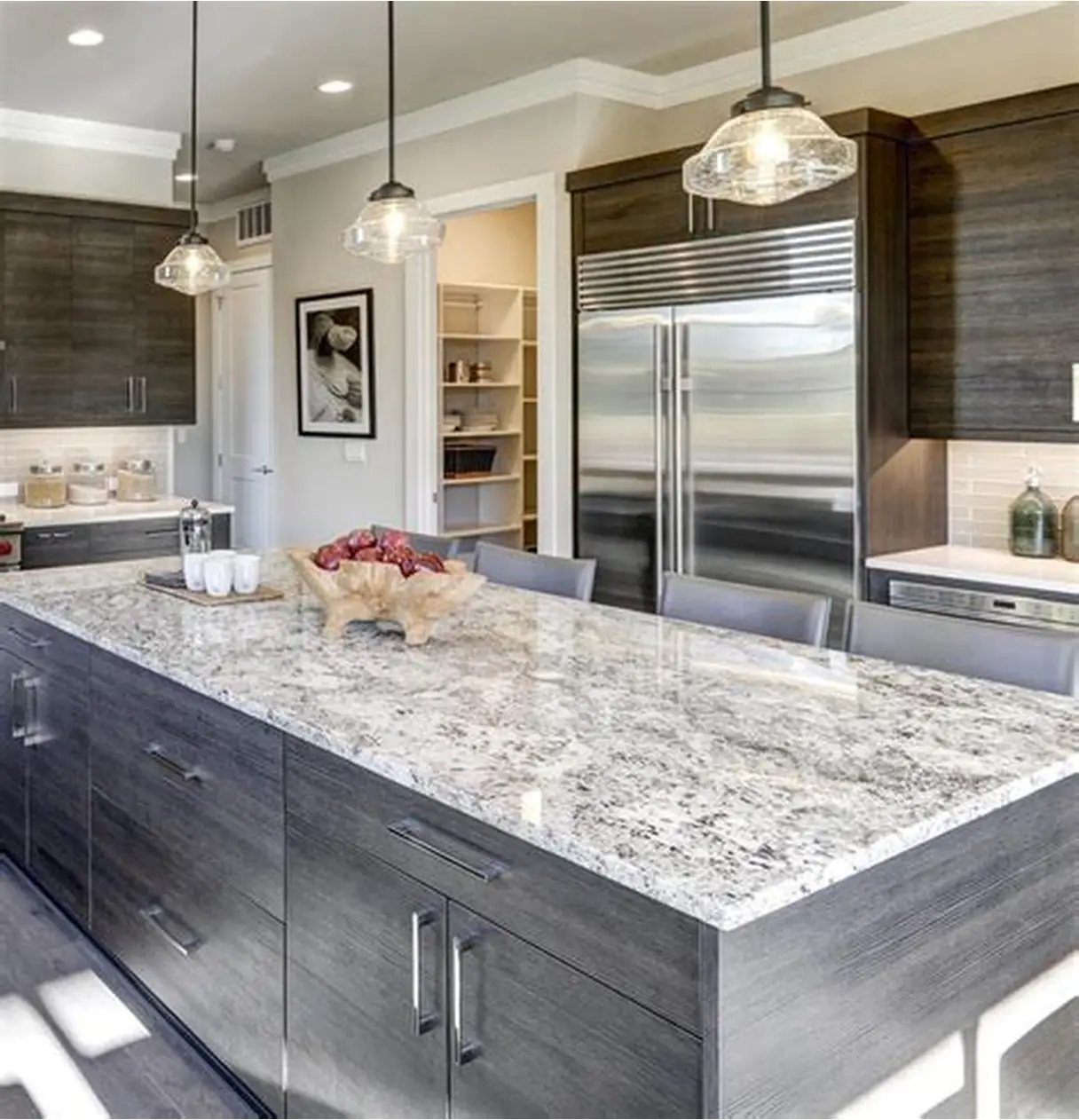
When you run your hand across a polished granite countertop, it’s easy to forget that this glossy surface started its life as molten rock deep inside the Earth.
When you run your hand across a polished granite countertop, it’s easy to forget that this glossy surface started its life as molten rock deep inside the Earth. Understanding how granite is made helps you appreciate not just its beauty, but its durability, maintenance needs, and why it’s such a favorite in modern kitchens and bathrooms.
In this guide, we’ll walk through:
- How granite stone forms naturally beneath the surface
- How quarries turn raw rock into polished slabs
- How those slabs become clean granite countertops in your home
- What this process means for porosity, staining, and long-term performance
- Where Aardwolf fits in, from premium slabs to installation and pricing
What Is Granite Stone? (Granite Geology and Composition)
Before we talk about how granite is made, let’s quickly define what it actually is.
Granite geology and composition
Granite is an intrusive igneous rock. That means:
- Igneous – it forms from cooled molten rock (magma)
- Intrusive – it cools slowly inside the Earth, not at the surface
Typical granite is made up of:
- Quartz – clear to milky crystals that make granite hard and scratch-resistant
- Feldspar – white, cream, or pink minerals that define much of the base color
- Mica (biotite, muscovite) – shiny flakes that add sparkle and depth
- Small accessory minerals – add unique veining, speckles, or subtle color shifts
These minerals give us the core characteristics of granite:
- High hardness and durability
- Excellent heat resistance
- Slight porosity (important for sealing and stains)
- Ability to take a high polish, ideal for countertops
If you’re curious about the science side, you can dive deeper into granite’s origins in this article:
How Is Granite Formed?
How Is Granite Made in Nature? From Magma to Solid Rock
Step 1: Granite starts as magma
Deep in the Earth, rocks partially melt into silica-rich magma. This thick, sticky magma usually forms:
- At convergent plate boundaries
- In thick continental crust where heat and pressure are extreme
Because it’s rich in silica, this magma is the perfect recipe for granite stone once it cools.
Step 2: Slow cooling underground
Instead of erupting as lava, granite magma:
- Gets trapped in large underground chambers
- Cools very slowly over thousands to millions of years
- Crystallizes into large mineral grains of quartz, feldspar, and mica
That slow cooling is why granite has a coarse, speckled texture and visible crystals.
Step 3: Plutons, batholiths and uplift
As the magma body cools, it becomes a massive block of granite called a pluton. Many plutons in a region can merge into vast batholiths that form the cores of mountain ranges.
Over millions of years:
- Tectonic forces uplift these granite bodies closer to the surface
- Weather and erosion strip away softer rocks above
- Granite becomes exposed, forming cliffs, domes, and outcrops — and eventually, locations ideal for quarrying
Is Granite Porous? What the Formation Tells Us
Because granite forms as a crystalline mosaic, there are microscopic spaces between minerals. That’s why:
- Granite is considered slightly porous, not completely non-porous
- Liquids can slowly penetrate if the stone is unsealed or neglected
If you want a dedicated deep dive on this topic, see:
- Is Granite Porous? (a natural follow-up to this article)
- Does Granite Stain?
- Is Granite Non-Porous?
The key takeaway: natural formation makes granite durable and strong, but not 100% impervious to moisture or staining — which is where sealing granite comes in later.
How Is Granite Made into Slabs? From Quarry to Factory
Once granite is exposed at or near the surface, it can be quarried and transformed into usable materials.
Step 4: Quarrying granite stone
Granite quarries are carefully chosen for:
- Structural soundness (no major cracks or weaknesses)
- Attractive color and pattern
- Accessibility and safe working conditions
At the quarry:
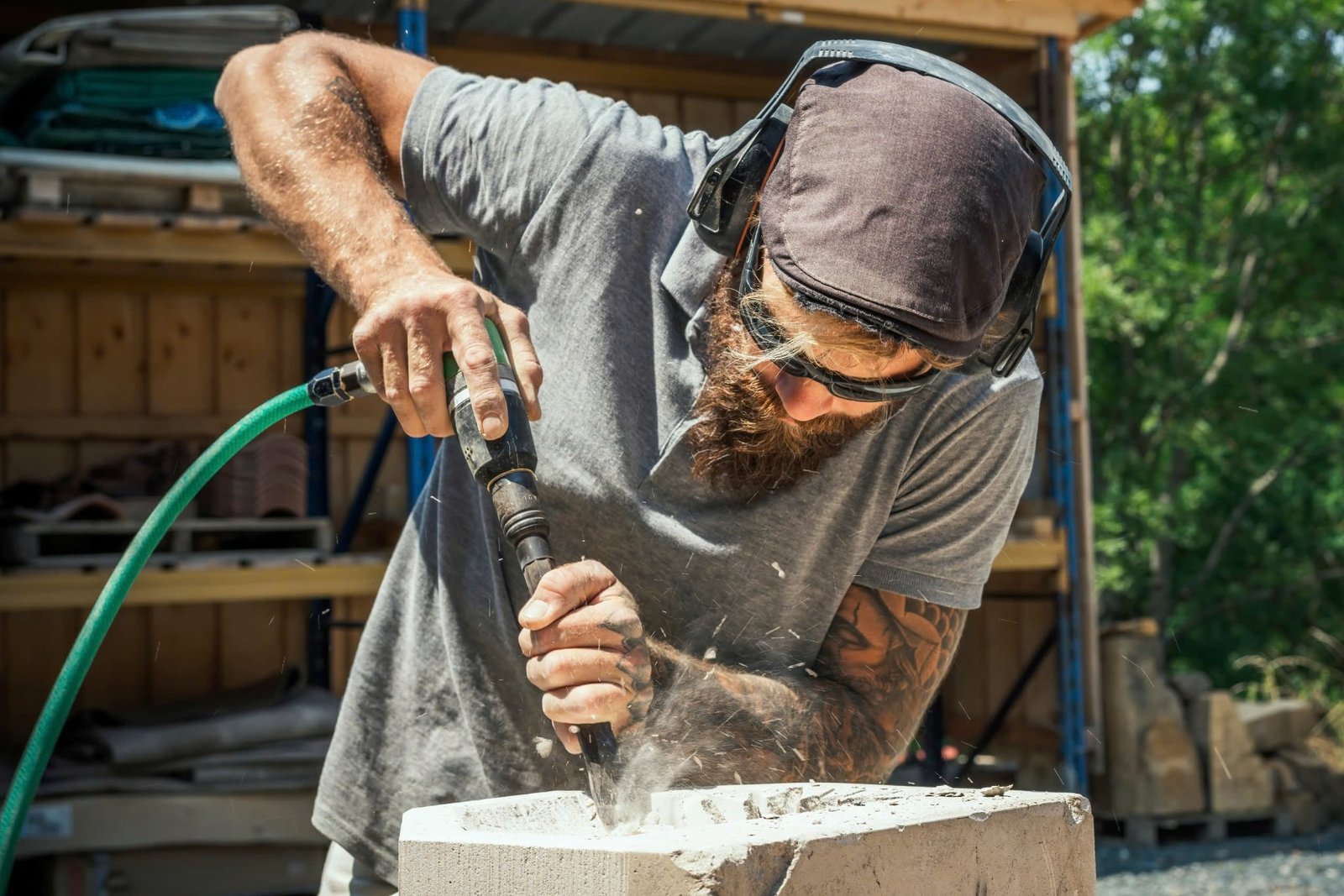
- Large blocks are cut from the solid rock face using diamond wire saws, drills, and controlled splitting.
- Each block can weigh several tons and is moved with heavy machinery.
- Blocks are transported to processing plants where they’re cut into slabs.
Step 5: Cutting and calibrating slabs
In the factory, each block is:
- Sliced into slabs using massive saws
- Calibrated so thickness stays consistent across the entire piece
- Inspected for natural flaws or variations
This is where granite begins to look like something you’d recognize in a showroom.
How Is Granite Made into Countertops? Finishing, Polishing and Sealing
Step 6: Polishing granite surfaces
To create the glossy finish you see on a white granite countertop or black granite countertops, slabs go through a polishing line where:
- Coarse abrasives remove saw marks and flatten the surface
- Progressively finer abrasives refine the texture
- Final polishing pads create a mirror-like shine
Different finishes (polished, honed, leathered) are achieved by adjusting the final stages.
Step 7: Cutting to size, edges and cutouts
For countertop fabrication:
- Templates of your kitchen or bathroom layout are made.
- Slabs are cut into custom pieces: main runs, islands, splashes.
- Sink and cooktop openings are cut out and carefully finished.
- Edges are shaped (beveled, bullnose, ogee, etc.), then polished.
If damage occurs later, repairing chips in granite and light re-polishing can usually restore these edges without replacing the entire slab.
Step 8: Sealing granite at the shop (and again at home)
Because granite is slightly porous, most fabricators apply a penetrating sealer before installation. Sealer:
- Soaks into the surface of the stone
- Reduces absorption of water, oil, and spills
- Makes it easier to maintain clean granite countertops day-to-day
Over time, homeowners should re-seal based on use and manufacturer recommendations — especially in busy kitchens.
Granite in the Home: From Stone to Lifestyle
Once granite reaches your home, how it’s made directly affects how you use, clean, and compare it.
Clean granite countertops: daily care
Thanks to its formation and polishing:
- Day-to-day cleaning is simple — mild dish soap and water, then dry
- Avoid harsh acids, bleach, or abrasives that can dull the sealer and shine
- When stains happen, targeted care helps — for example:
- Organic or drink spills: see more in Does Granite Stain?
Keeping the surface clean and sealed makes later polishing granite surfaces easier and keeps the stone looking new.
Natural vs. engineered granite surfaces
In a natural vs. engineered granite discussion:
- Natural granite slabs are each unique, shaped by geology over millions of years.
- Engineered quartz surfaces are made in a factory, using crushed stone and resin.
Both can be used as countertops, but natural granite offers:
- One-of-a-kind veining and movement
- Greater heat resistance
- A direct connection to the Earth’s geological story
Granite vs Other Materials: Performance and Design
Because of how granite is made, it performs differently than other countertop materials.
Granite vs quartz countertops
- Granite – natural, slightly porous (requires sealing), very heat-resistant
- Quartz – engineered, non-porous (no sealing), less tolerant of high heat
Granite vs marble: pros and cons
- Marble – softer, more porous, more prone to etching from acids
- Granite – harder, better for high-use kitchens and busy families
Granite vs soapstone durability
- Soapstone – dense and stain-resistant, but soft and easily scratched
- Granite – harder surface, holds up better against knives, pots, and daily wear
Granite better than concrete countertops?
- Concrete – extremely porous, relies heavily on sealers, can crack
- Granite – naturally dense, easier to maintain over time once sealed
In many natural stone countertop comparison scenarios, granite offers one of the best blends of durability, beauty, and maintenance.
Granite Colors, Backsplashes and Cabinet Pairing
The way granite is made — with varied minerals and cooling conditions — leads to a huge range of colors and patterns.
White and black granite countertops
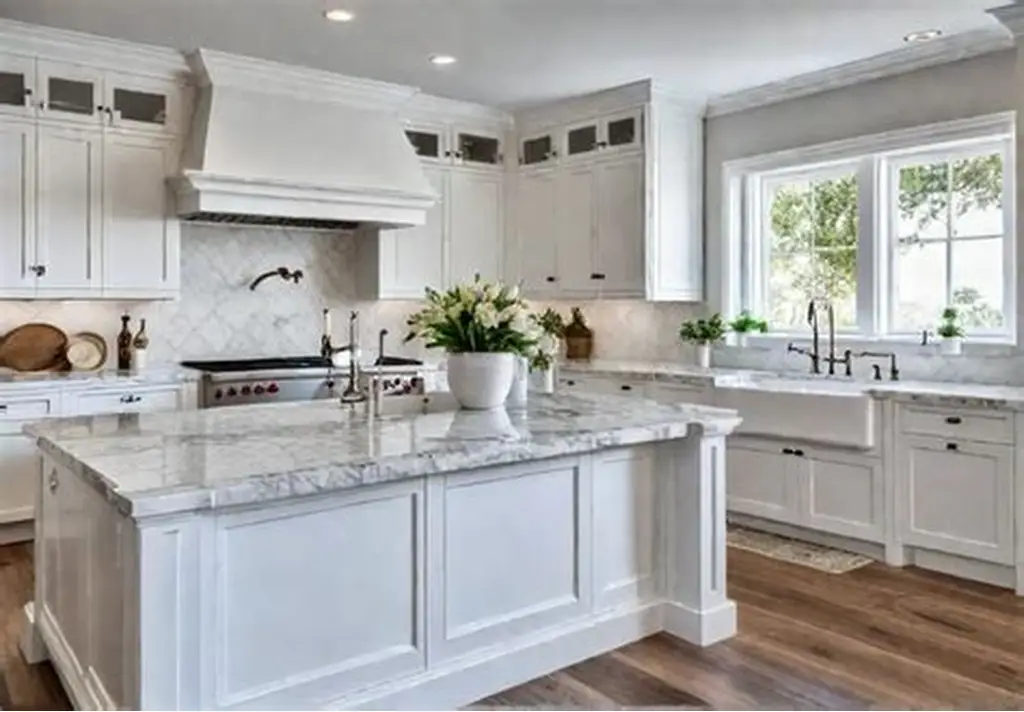
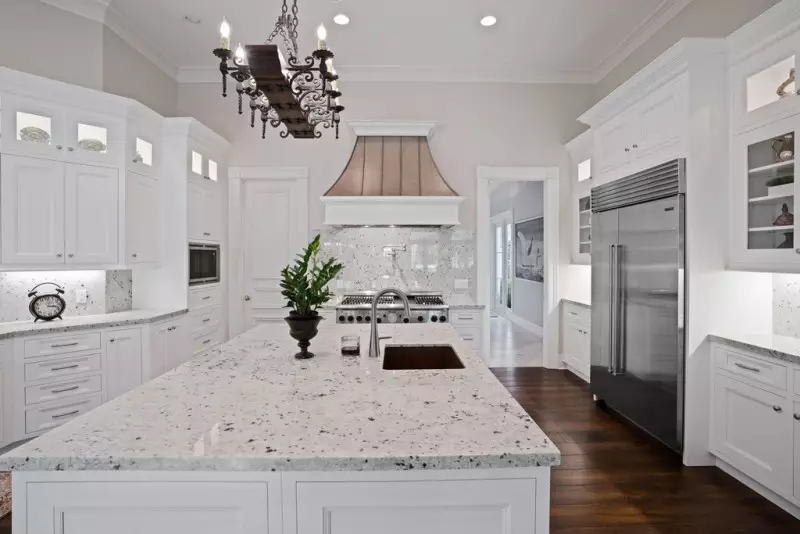
- A white granite countertop brightens a kitchen, making it feel larger and more open.
- Black granite countertops add bold contrast and drama, especially with light cabinetry.
Granite backsplash designs and cabinet colors
To make the most of your slabs:
- Consider matching granite backsplash designs for a seamless, upscale look.
- Use thoughtful pairing granite with cabinet colors:
- White cabinets + dark granite = clean, modern contrast
- Wood cabinets + mid-tone granite = warm and classic
- Dark cabinets + lighter granite = balanced, sophisticated style
Granite Countertop Cost, Where to Buy and Aardwolf Solutions
Granite countertop cost and where to buy granite countertops
Granite countertop cost depends on:
- Color rarity and demand
- Thickness and finish
- Complexity of your layout
- Local fabrication and labor rates
You can buy through:
- Local fabricators and showrooms
- Wholesale granite suppliers for direct slab selection
- Retailers offering affordable granite countertop options in popular colors
Aardwolf granite countertop collection
The Aardwolf granite countertop collection is designed to showcase:
- Carefully selected Aardwolf premium granite slabs with strong structure and attractive patterns
- A well-curated range of shades, including some of the best Aardwolf granite colors for modern and traditional interiors
- Stones that perform well when sealed and maintained properly
Aardwolf granite installation services and pricing guide
With Aardwolf granite installation services, you get:
- Expert templating, cutting, and edge finishing
- Proper structural support for heavy slabs
- Professional on-site fitting and sealing
The Aardwolf granite pricing guide helps homeowners and designers:
- Compare options by color, pattern, and price tier
- Balance affordable granite countertop options with premium showpiece stones
- Plan projects that fit both style goals and budget
From Magma to Your Kitchen: The Full Story of How Granite Is Made
To recap, how granite is made is a story that stretches over millions of years:
- Silica-rich magma forms deep inside the Earth.
- The magma cools slowly underground, crystallizing into quartz, feldspar and mica.
- Large granite bodies (plutons, batholiths) solidify and are later uplifted.
- Erosion exposes granite at the surface, where it can be quarried.
- Quarries cut raw blocks that are sawn into slabs, polished, and sealed.
- Fabricators shape those slabs into custom countertops, backsplashes and more.
- With good sealing, cleaning and occasional maintenance, you enjoy clean granite countertops that carry the beauty and strength of deep Earth geology into everyday life.